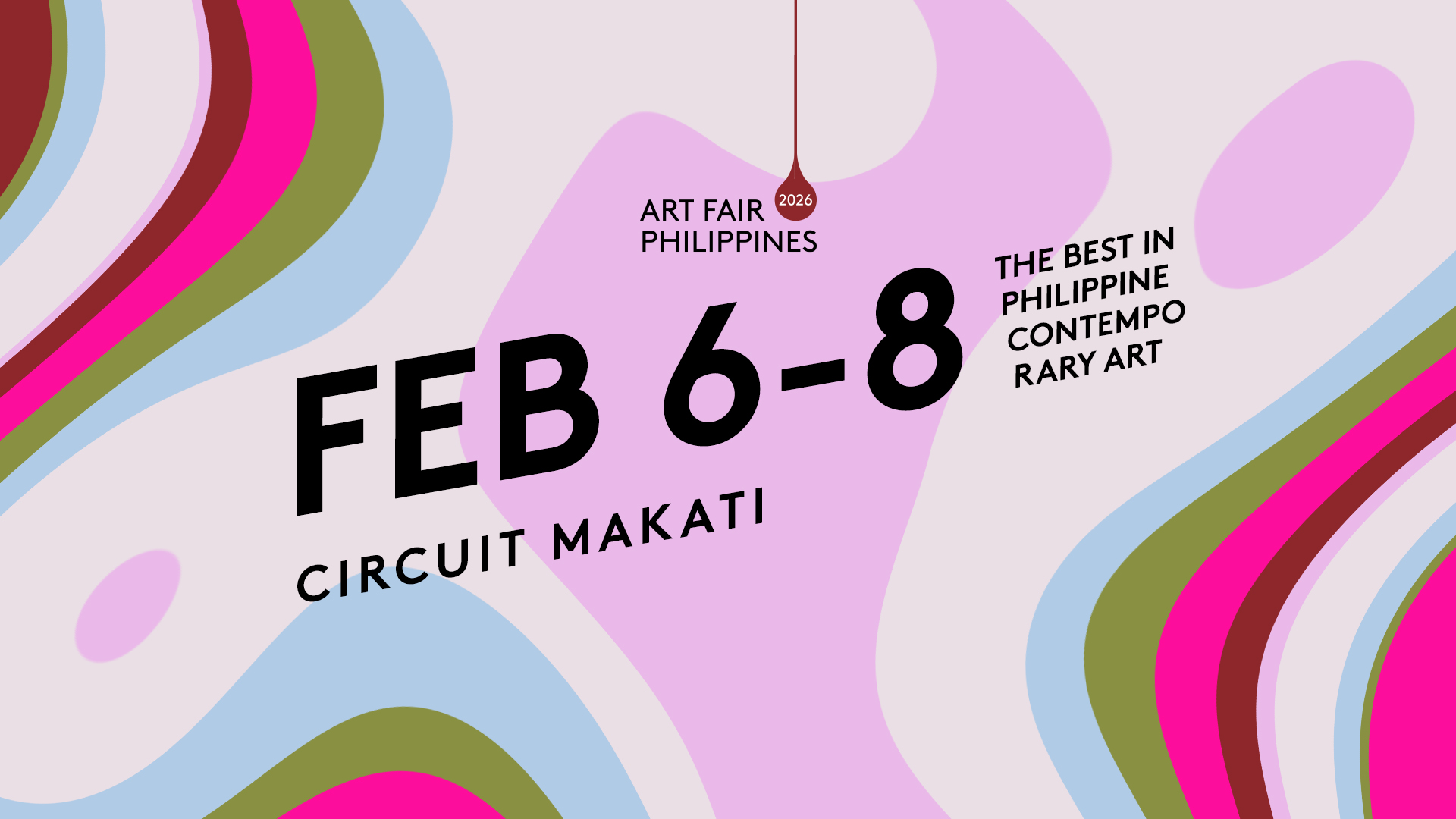
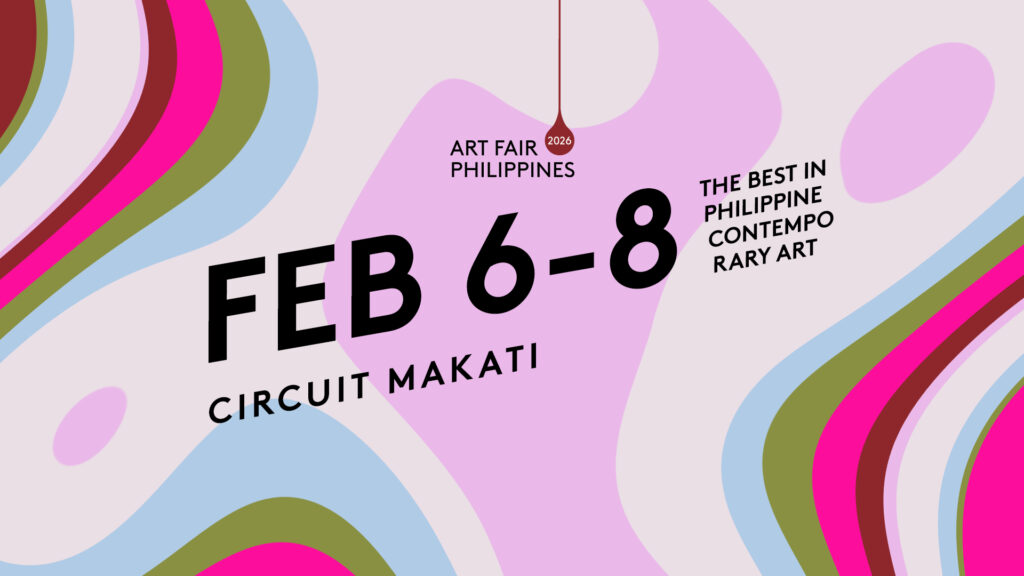
From February 6 to 8, Art Fair Philippines returns in a fresh setting at Circuit Corporate Center One, positioning Circuit Makati as a central meeting point for collectors, galleries, artists, and first-timers who simply want to see what contemporary art feels like up close. The fair calls the move “a shift not only in scale but in ambition,” and it reads exactly like that—bigger, more connected, and more ready for the region’s spotlight.
A new venue, a bigger statement for Manila’s art scene
After landmark editions at The Link and Ayala Triangle Gardens, the fair’s relocation creates more room for galleries, curated projects, and public programming—without losing the energy that makes Art Fair Philippines a yearly reset button for the local art crowd. The press release notes that the new site offers “greater spatial flexibility and a more integrated environment,” which matters when you’re juggling booth presentations, installations, talks, and the human traffic that comes with a major cultural weekend.
Just as important, the 2026 edition doubles down on Manila’s role in the wider Asian art market. It gathers “leading galleries from across the Philippines” and exhibitors from France, Hong Kong, Indonesia, Japan, Korea, Malaysia, Singapore, Taiwan, Vietnam, and Spain—a roster that signals how Filipino art continues to move in regional and global conversations, not outside them.
If you’re planning your day, note that tickets are already available through the fair’s official site. Regular daily admission is PHP 750, while students (with valid IDs), senior citizens, and PWDs can access discounted tickets at PHP 500. There’s also a PHP 300 rate for Makati students with valid IDs.
What to watch: projects, digital art, talks, and 10 Days of Art
Art Fair Philippines knows people don’t just come to “browse.” They come to discover. That’s why the programming goes beyond booths, with several sections designed to deepen how audiences experience contemporary art.
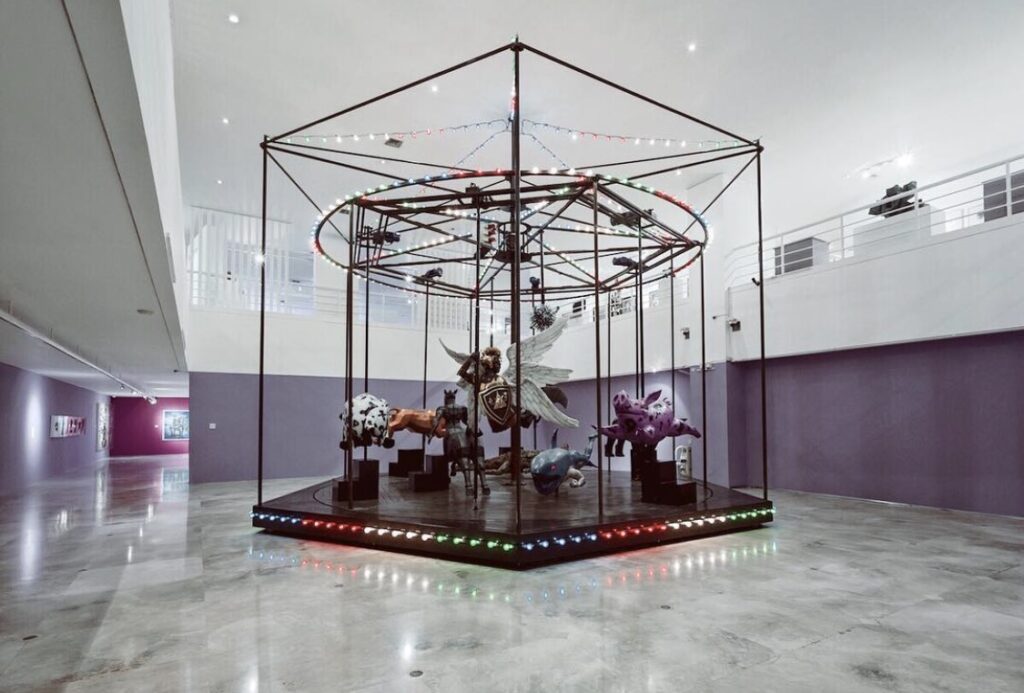
One of the headline attractions, ArtFairPH/Projects, is described as “one of the most anticipated highlights of the fair,” spotlighting “artistic excellence and experimental innovation.” This year, it leads its contemporary lineup with Imelda Cajipe Endaya, whose work explores “domesticity, migration, and women’s empowerment.” That choice feels intentional: it frames the section around art that holds memory, politics, and identity all at once—without turning human experience into a trend.
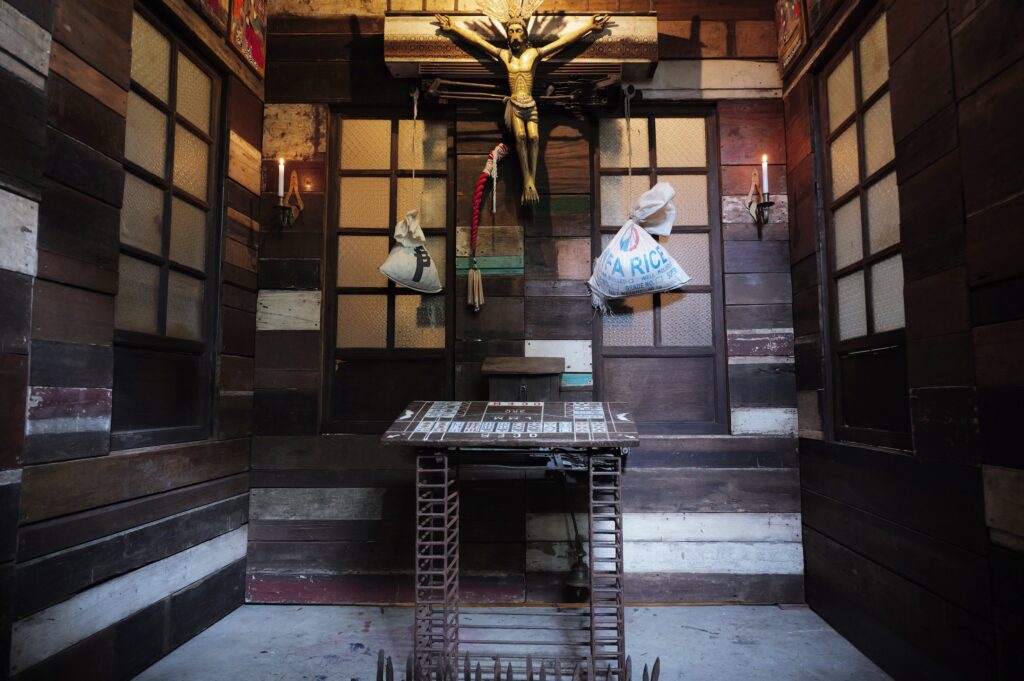
The fair then expands that lineup with artists working across printmaking, architecture, textile, ceramics, diaspora narratives, and conceptual play. Names mentioned include Ambie Abaño, Max Balatbat, Ged Unson Merino, Jon Pettyjohn, and Tessy Pettyjohn, plus a group of Filipino diaspora artists organized by the Berlin-based Sa Tahanan Co..
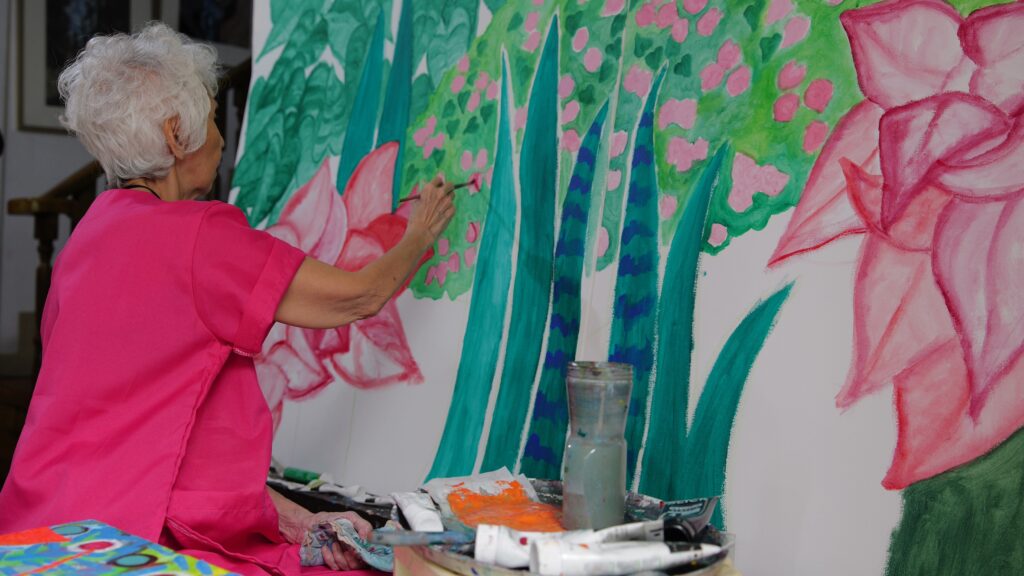
International exchange also shows up through Ampparito, whose work “subverts the mundane through provocative shifts in scale.” The exhibit continues a partnership with the Embassy of Spain in the Philippines for the third consecutive year, reinforcing how the fair can be both locally grounded and outward-facing.
Meanwhile, the fair honors key foundations of Philippine art by featuring late masters Brenda Fajardo, Constancio Bernardo, Solomon Saprid, and Romeo Tabuena. Their inclusion keeps the conversation multi-generational. It also reminds new audiences that “contemporary” doesn’t erase history—it builds on it.
For those drawn to screens as much as paint, ArtFairPH/Digital continues the fair’s push into “animation, virtual and augmented reality, artificial intelligence, and the metaverse.” Featured this year is TRNZ, whose work assembles “fragments” of personal and online imagery to create scenes that feel familiar, yet quietly unsettling. He debuts The Keeper, an animated short film made with Fleet Studios, exploring pressure, success, and what gets lost when validation becomes the goal.
Also joining the digital lineup is the TLYR Collective, centered on “digital alchemy.” Through immersive installations and generative approaches, they interrogate identity in virtual spaces and blur the boundary between physical and simulated.
Beyond viewing, the fair keeps its audience-building mission clear through ArtFairPH/Talks, in partnership with the Ateneo Art Gallery and the Museum Foundation of the Philippines. Expect daily sessions that dig into the art landscape, including conversations on collecting and the art market. Specific speakers and topics will be announced on the fair’s site.
Then there’s the lead-up: 10 Days of Art (January 30 to February 8) turns Makati into a moving gallery. Public art installations will appear across the Makati Central Business District, building momentum toward the main event at Circuit. If you’ve ever wanted an art week that feels like a city-wide playlist, this is it.
At a time when attention spans get blamed for everything, Art Fair Philippines bets on the opposite: that people still show up when culture feels alive, accessible, and worth talking about. And this February, Makati looks ready to prove it.