
I didn’t come to Mt. Camisong planning to have a mini life lesson.
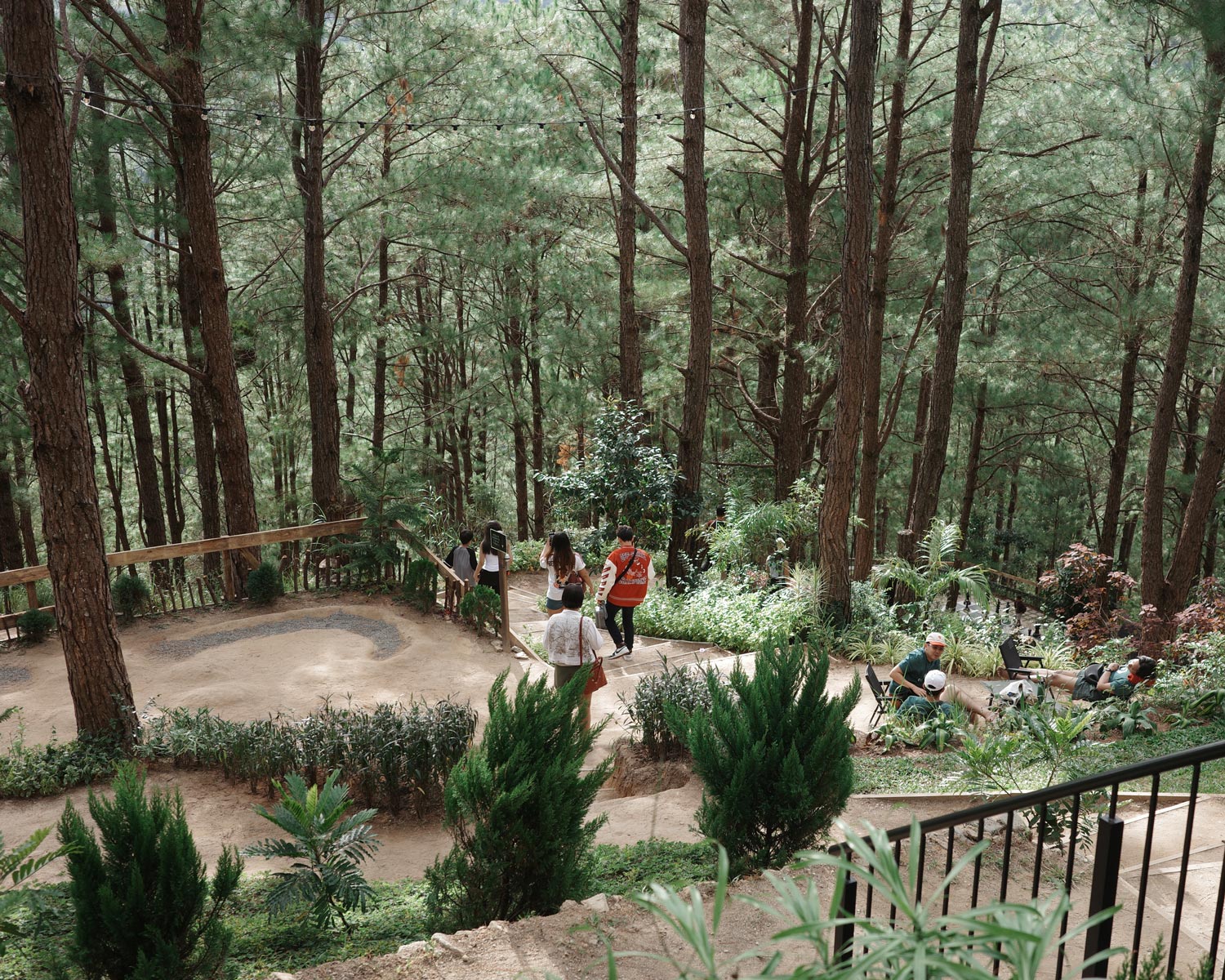
It started the way most travel days typically start now: camera out, trying to chase the natural light while it’s still flattering, pretending I’m “casually” walking when in fact I’m timing my steps to a beat in my head. It was around 6 p.m., and I was on the Tree walk in Samyo Gardens, filming myself against this amazingly lush, green backdrop that made everything look like a screensaver.
Then it happened.
A lady in red and a gentleman slowed down and stopped so they wouldn’t cross my frame. Like fully paused. Like I had a whole production crew behind me.
I got embarrassed immediately. I waved them on and said, “No, it’s okay, please go ahead,” pointing at the path so they’d keep walking. But instead of moving, they gave me a smile.
And the lady in red asked, “How are you enjoying the park so far?”
In my head, I was like: wow, this lady has serious PR skills.
So I answered properly, the way you do when someone speaks to you with that warm “host energy.” We talked for a bit, and the conversation naturally shifted to the evening’s highlight, a light show.
I remembered what Maddie Castillo, the park’s Events and PR Manager, told our group earlier. There would be another show later, so there was no need to panic-run. Feeling a little proud for having insider info, I told the lady, “Oh there’s no need to rush, there’s another one after.”
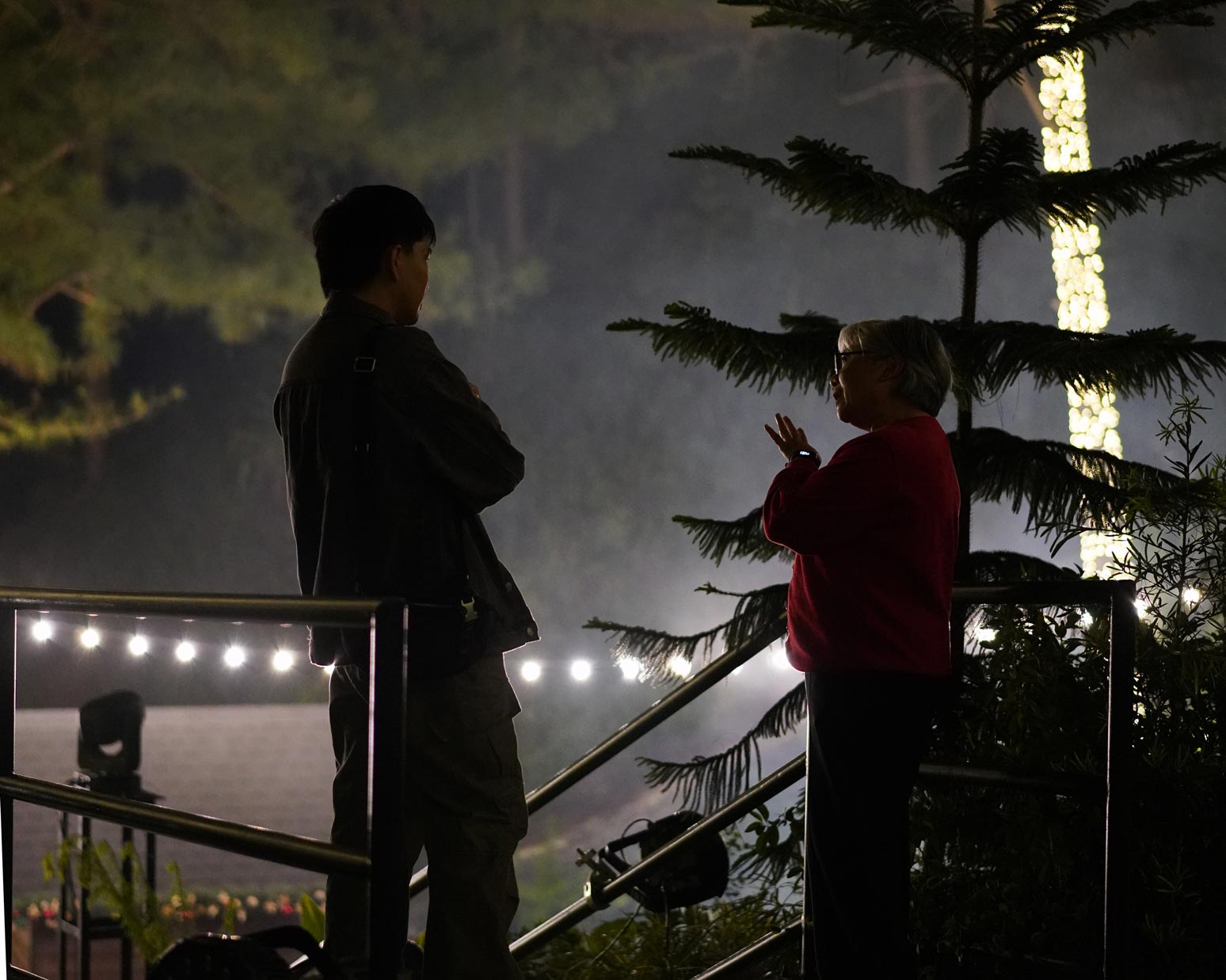
We kept chatting while walking, then I casually mentioned that I was part of the media group that Mt. Camisong invited to experience the place.
That’s when her expression shifted to this amused, surprised smile.
“Oh! I was looking for you guys!”
She introduced herself, and suddenly my brain had to catch up with what was happening: I had just been doing small talk with Maria Buena Victoria Tenefrancia (a.k.a. “Tita Beki”), sustainability consultant of Mt. Camisong, and a leader in the local zero-waste movement.
That’s when I realized who I was actually talking to. It wasn’t just a bit of small talk, and I wasn’t just talking to a friendly visitor. I was talking to someone who has made sustainability her work and her life.
The park was already beautiful. But in that moment, it became personal.
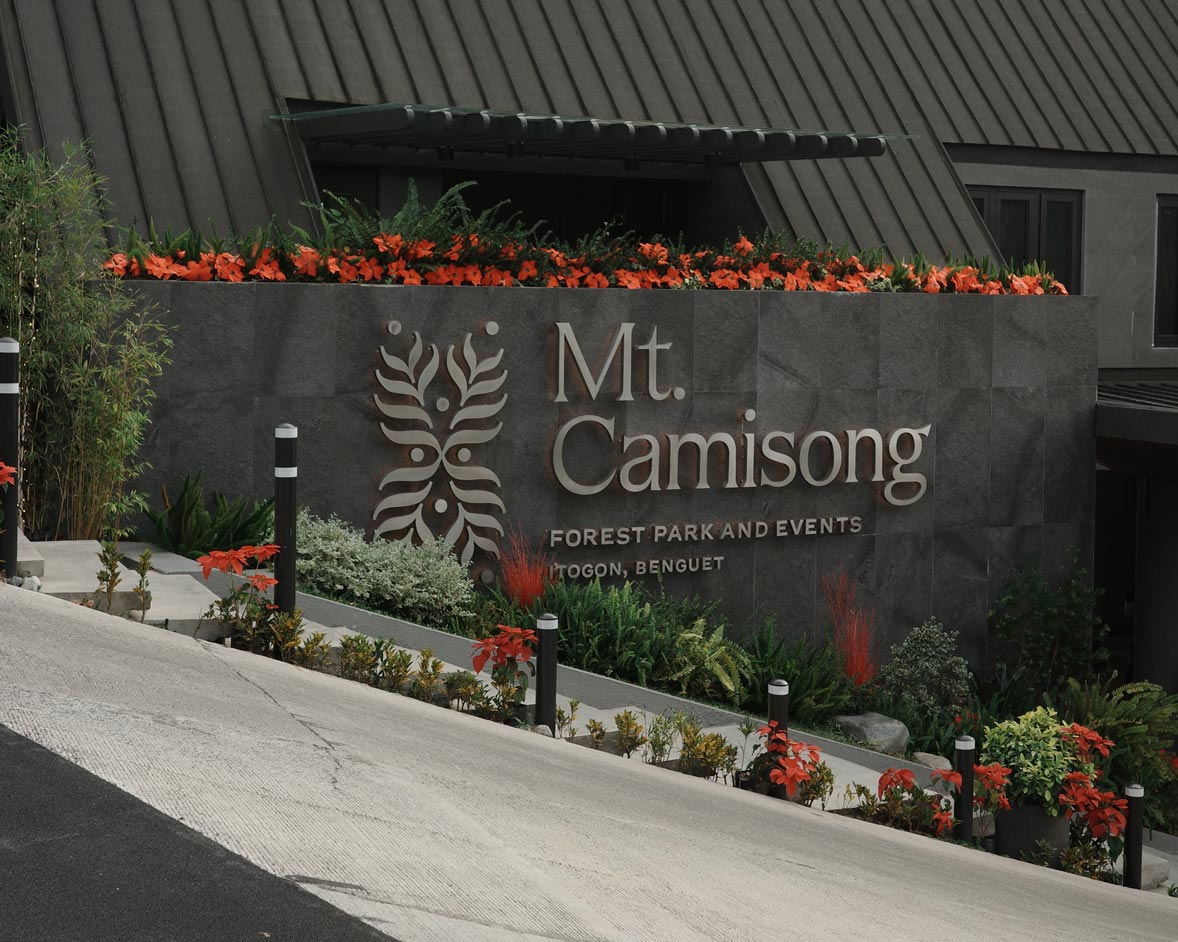
Let’s pause for a quick reality check. Where on earth is Mt. Camisong, anyway?
Mt. Camisong Forest Park and Events is in Itogon, Benguet. It’s close enough to Baguio to feel like a “why didn’t I do this sooner?” side trip, but far enough that you notice the shift when you arrive, like your body finally gets the memo to slow down.
Travel time depends on your route (and your driving skills) and traffic. It’s around 16.5 km from Baguio City, which in real life translates to 30 minutes…or 1 hour if someone in your car insists on stopping for that first steaming cup of coffee (or hot chocolate!) along the way.
Either way, it’s accessible. And that accessibility is part of what makes the park special. It doesn’t demand that you be a serious hiker or an outdoors expert. You can come as you are. You can explore without needing to “survive” the place. It’s nature that feels welcoming, not intimidating.
The Park’s “Quiet Flex”: Built Around the Forest, Not Over It
One of the first things Tita Beki shared with me was how the park was developed with restraint.
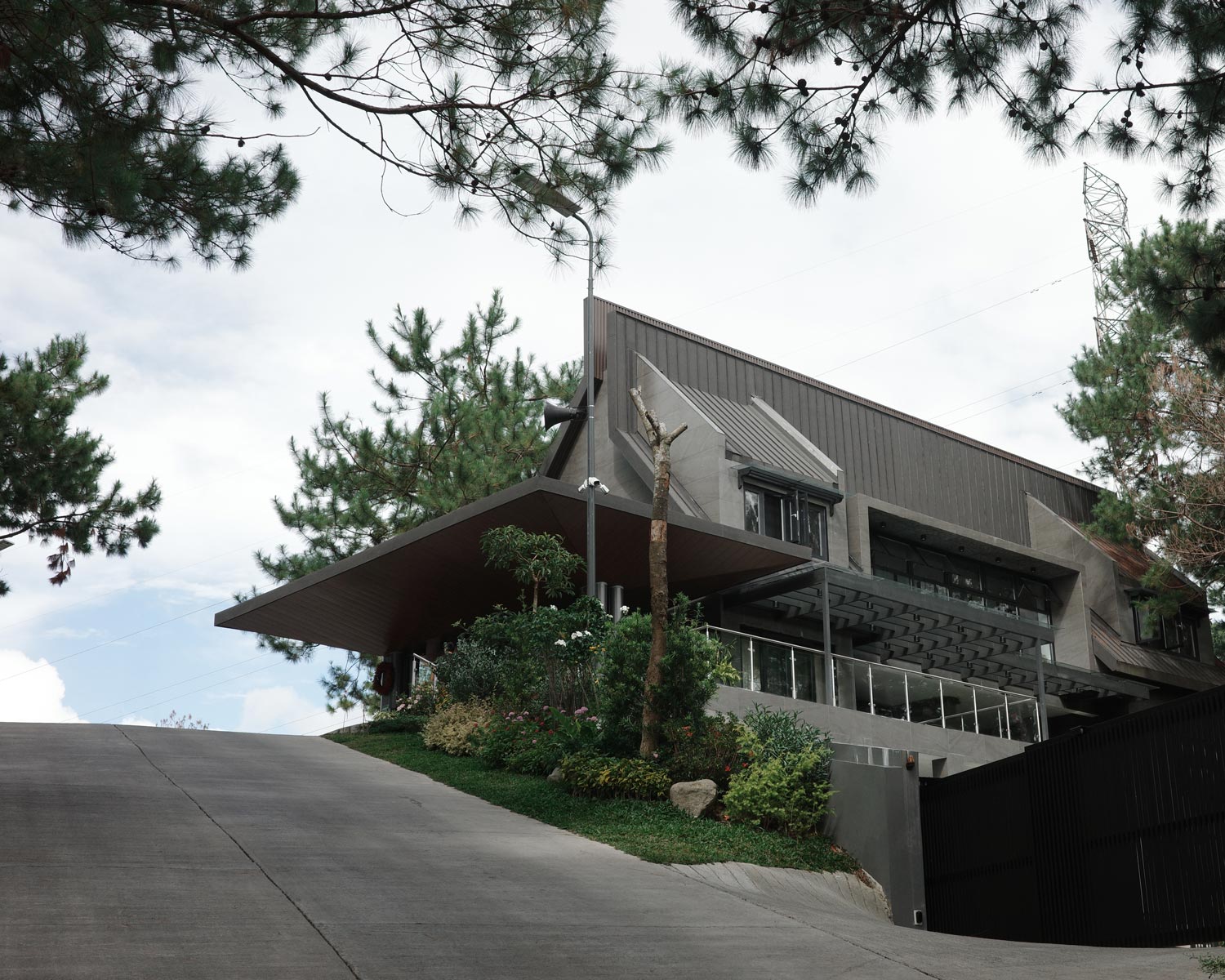
The entire property spans 10 hectares, but only about 1 hectare is developed. The rest is intentionally left for trails, forest space, and the land as it is. You can tell what kind of project this is from that one choice alone: This wasn’t built to take over the mountain. It was built to leave most of it alone.

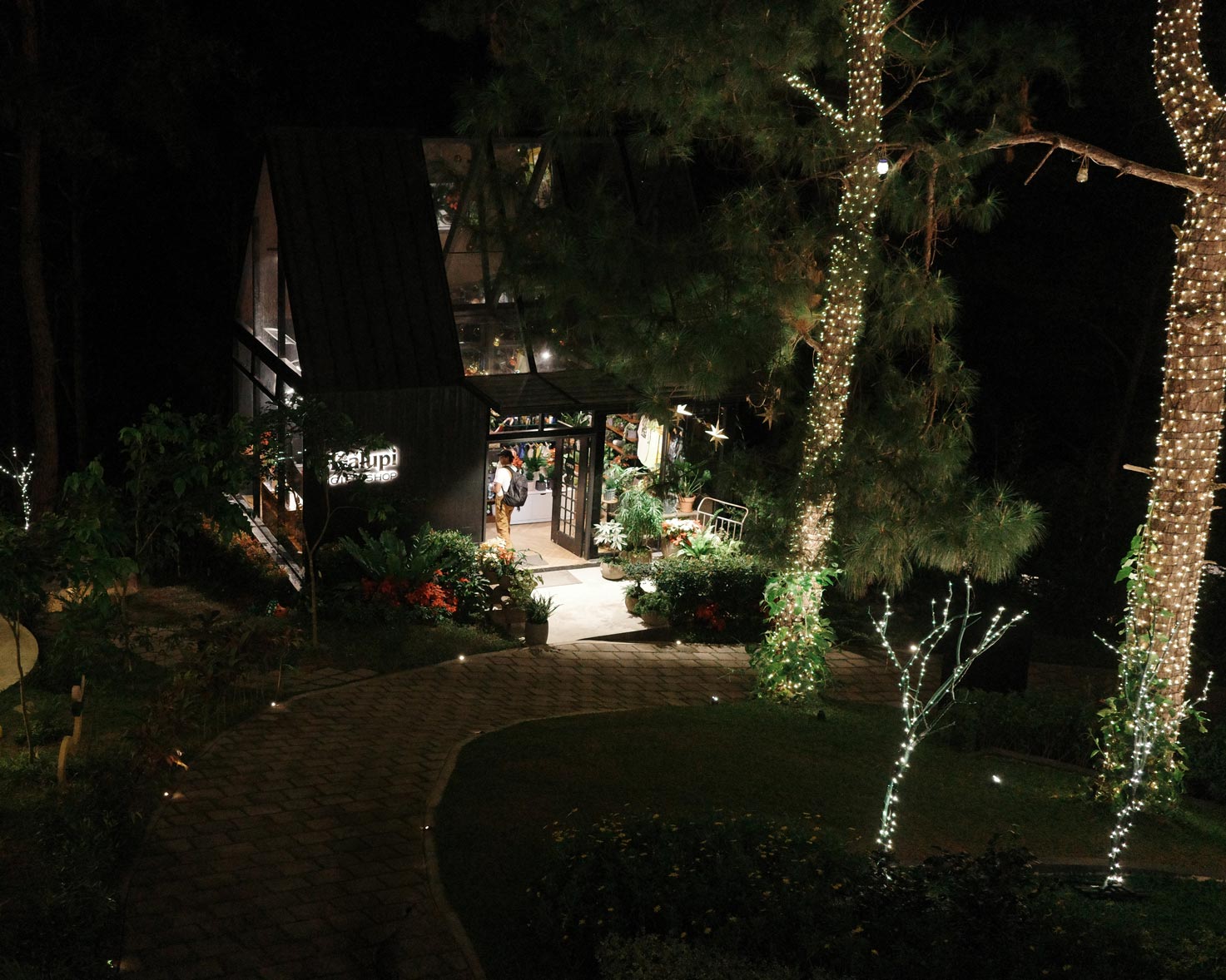
She also shared with us (after the rest of the group joined us) that at the beginning of development, the team conducted an inventory of the trees. They didn’t cut any. Instead, they designed and built around them. That bit of information stayed with me because it’s so easy to say “we respect nature,” but designing around living trees is a level of commitment you can’t fake.
That choice is why the place feels like it grew out of the mountain, not dropped on top of it.
Sustainability, But Make It Real (Not Performative)
A lot of places call themselves eco-friendly. But you can usually realize within the first hour if it’s real or if it’s just branding.
Mt. Camisong felt different because the sustainability shows up in the small inconveniences. The kind that force you to change habits.
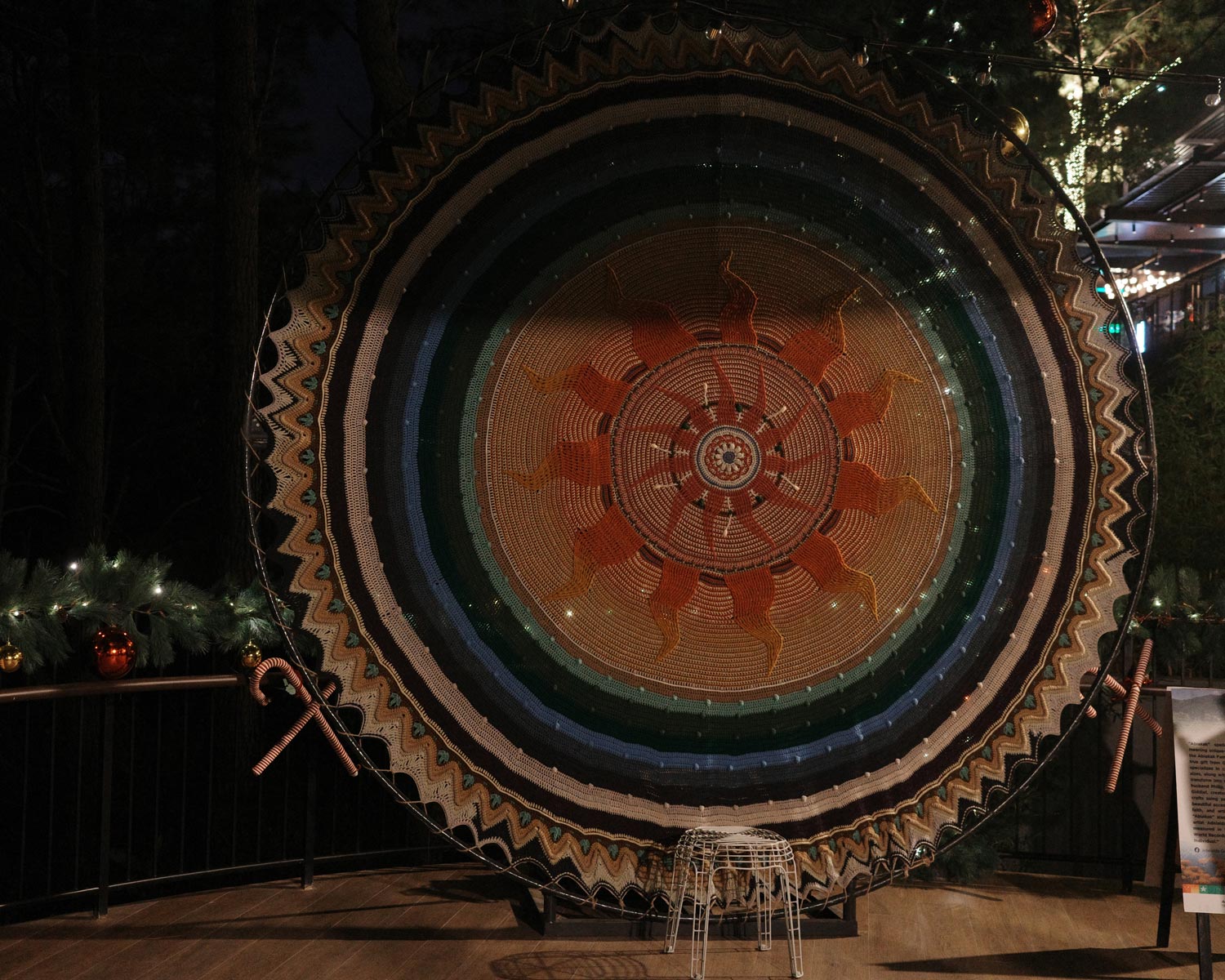
The park runs on solar power. Tita Beki also talked about the park’s zero-waste approach, and one example hit instantly because it’s so simple: hydration stations around the park to reduce plastic bottle use.
“Imagine if one person follows this, and he or she consumes one bottled water a day. That’s 30 plastic bottles avoided in one month.”
That’s what made it hit. No grand lecture, just a simple habit turned into a number you can’t ignore. And if more people follow? You can imagine the ripple. It cuts daily waste in ways that are repeatable, and Mt. Camisong makes that feel doable, because the setup supports it.
And when I asked Maddie what sets Mt. Camisong apart from other tourist destinations, she didn’t say “attractions” first. She said it’s the park’s heart for sustainability, caring for the environment and community, and reflecting it in design and day-to-day operations.

Then she added context that made the place feel even more intentional: the area is part of ancestral lands, and before construction, they spoke with the council of elders and asked permission, aligned with the idea that people are stewards of the land.
When environmental choices are tied to cultural respect, it stops being performative. It becomes the standard.
The Question I Had to Ask Her (Because I Needed the Why)
I’ll admit: I asked Tita Beki the question that felt slightly intrusive but also deeply human.
I told her she seemed so committed to protecting nature, and I asked where it was coming from. Like, did something happen? Is it a personal story?
I asked more than once because I genuinely wanted to understand where that level of commitment comes from. People don’t usually wake up and decide to be that intentional without a reason.
She paused, then answered in a way that changed the weight of the question: she remembered the devastation when Typhoon Yolanda struck the Philippines, and she thought, “This could be avoided.” A few seconds passed. Before I could even say my usual ‘ohhh, I see,’ she added, ‘And my husband died of cancer.’
She didn’t say it in a dramatic way. It was subtle. Matter-of-fact. The kind of statement that doesn’t ask for applause, just action.
It also connected to something I later saw echoed in a profile about her: she grew up in a clean and peaceful environment and wants to pass on a better one to her children, “I owe it to them.”
That’s the part of sustainability we don’t always talk about: it’s not just about the planet as a concept. It comes down to grief, responsibility, and the people who will inherit what we leave behind.
The Light Show That Felt Like a Reward for Slowing Down
After all that conversation, we made our way down to Luntian Garden to catch the light show. Tita Beki even walked with us, no rush, no “I’ll send someone else to assist you” energy. Just presence.

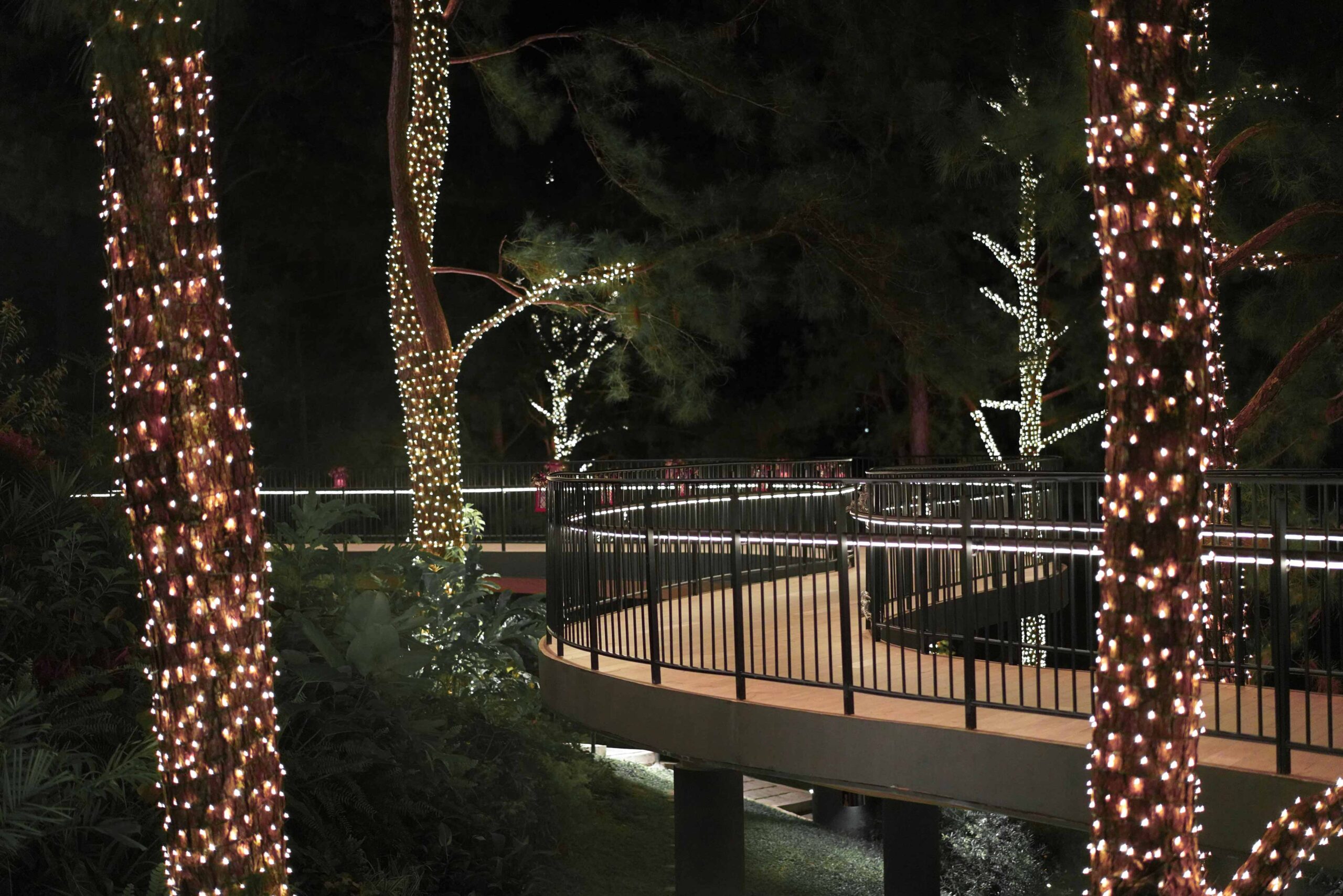
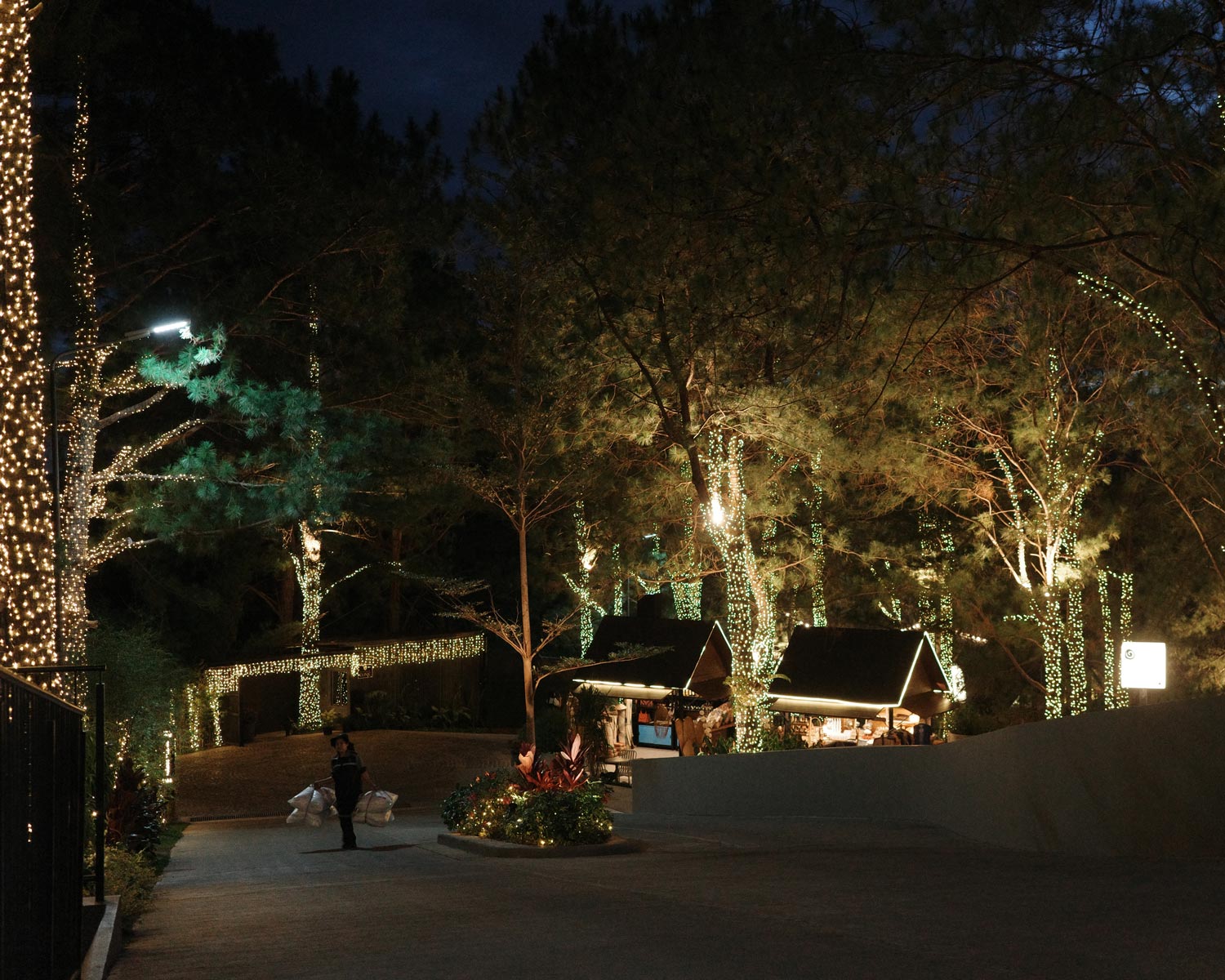
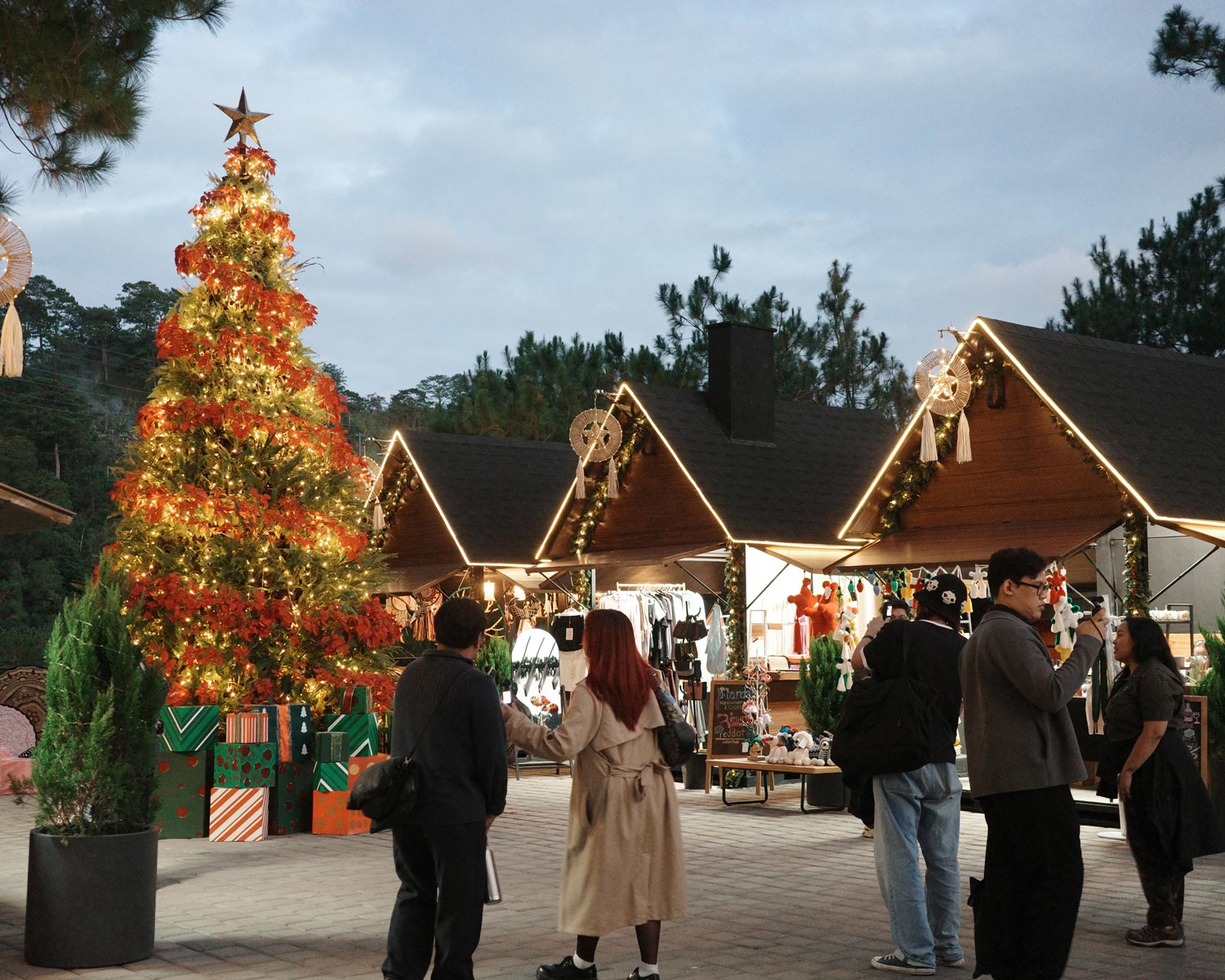
Mt. Camisong’s Christmas celebration is called Marahuyong Pasko (from Marahuyo, an old Filipino word meaning “to be enchanted or captivated”), a name that fits the mood perfectly because the experience does feel enchanting. It’s festive without being overwhelming, and it works because the setting does half the magic for you. You’re not watching lights inside a mall or beside a highway. You’re watching them in a forest park, with the kind of calmness that makes you feel like you’re actually there, not just passing through.
The light show runs nightly from December 17 to 31, which makes Mt. Camisong such a solid year-end plan if you’re spending the holidays around Baguio or Benguet. It’s the kind of experience that feels complete: daylight views, late afternoon greens, then the shift into night with lights and sound that make the park feel like it has a second personality after sunset.
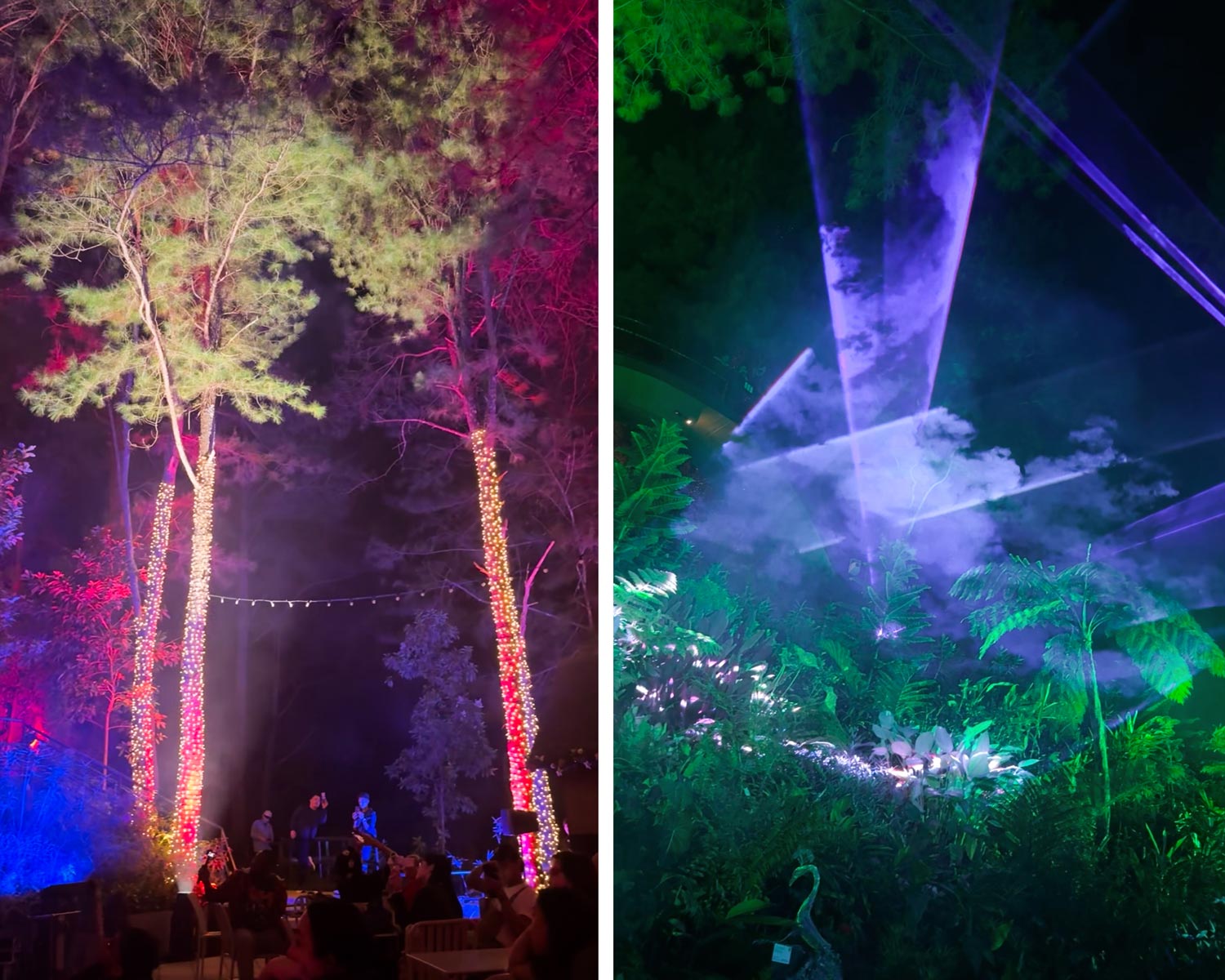
And what I loved most was this: the light show didn’t feel like the main thing. It came as a bonus. A reward for staying. Like the park saying, “We know you came for the views. Let’s also give you a reason to stay until night, so here’s something magical.”
If You’re Visiting Mt. Camisong, Here’s What I’d Tell You
Mt. Camisong has the kind of views that you’ll want to photograph, obviously. But if you want the experience to hit deeper than a camera roll, here’s what I’d personally tell you:
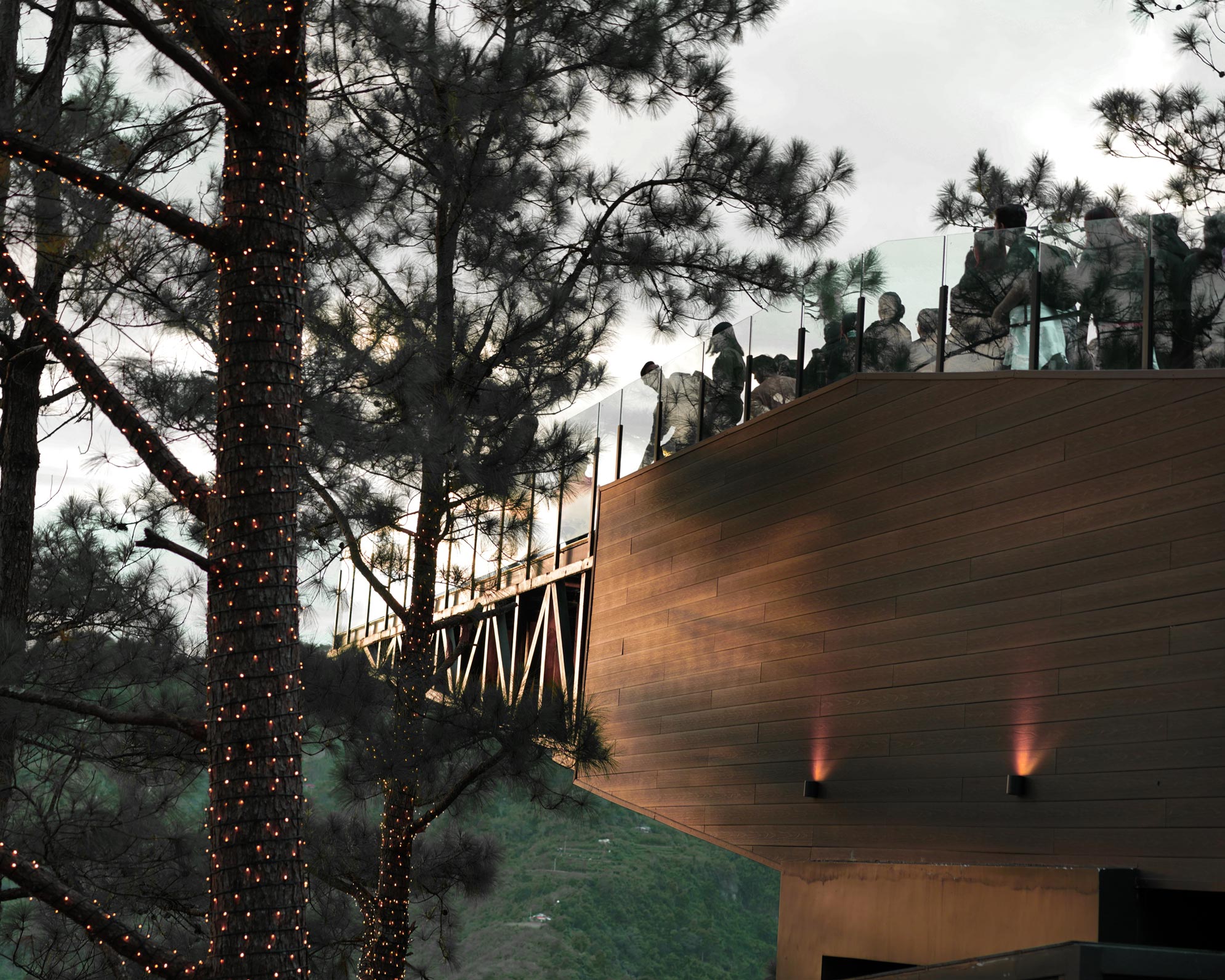
Come early if you can. Morning in Benguet hits differently. The air feels cleaner, the light feels softer, and everything feels calmer.
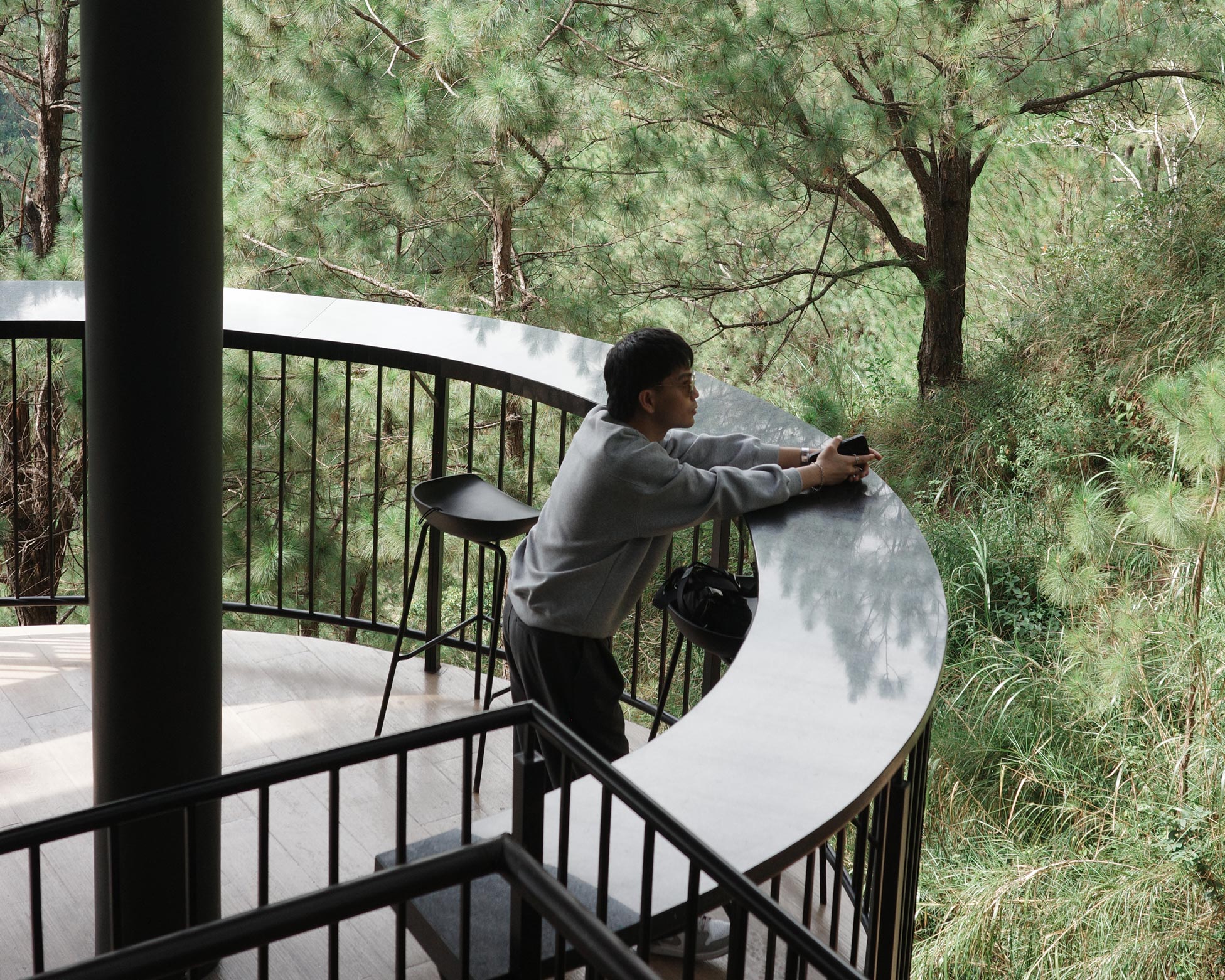
Spend time in Samyo Gardens. The Tree walk is beautiful in photos, but it’s even better in real life because it forces you to move slowly and notice the forest breathing around you.
Stay until evening at least once. The park changes when the sun goes down. Marahuyong Pasko adds a layer that makes the day feel like a full story, not just a daytime visit.
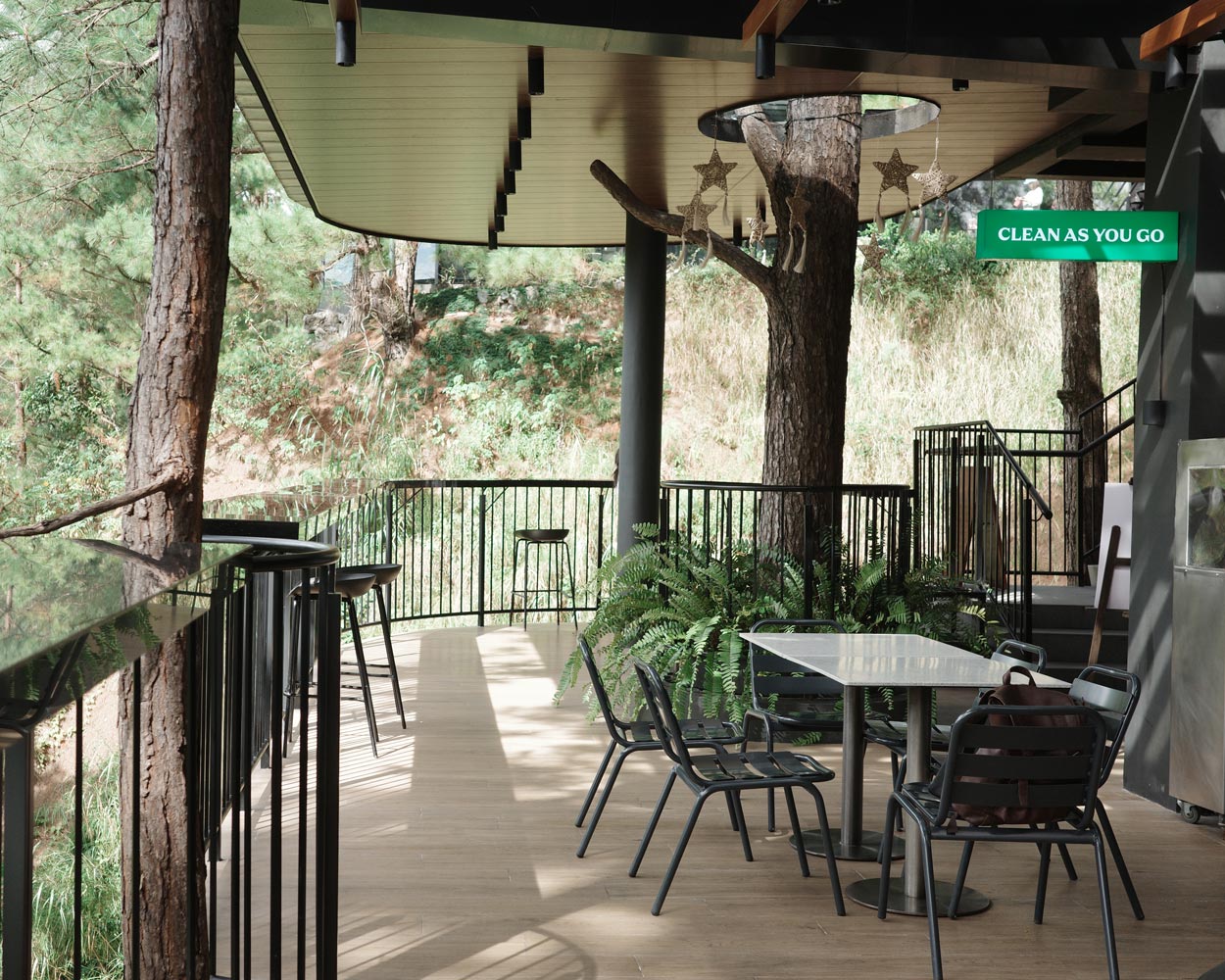
Bring a tumbler or flask. You’ll appreciate the hydration stations more when you’re actually using them. It’s an easy way to align with the park’s zero-waste system without trying too hard.
Talk to the people. This is the biggest one. Ask questions. Be curious. The place is beautiful, but the story behind it, why it exists, how it’s protected, who it empowers, is what makes it memorable.
Leaving Mt. Camisong With More Than Photos
I came to Mt. Camisong for the views, the pine trees, the “Baguio-nearby getaway” vibe, and yes, for the content.
But I left with a quiet reset: a reminder that nature trips can be beautiful without being wasteful, and that sustainability doesn’t have to be loud to be powerful.
And it’s not asking you to become a perfect eco-warrior overnight. It’s simply designed in a way that makes better choices easier. You can choose to refill instead of buy, respect instead of consume, preserve instead of conquer, and so much more. And when you see those systems in action, you start thinking, “Wait, why isn’t this normal everywhere?”
Maybe that’s the real enchantment.
Not just the lights. Not just the view.
But the feeling that you spent an evening in a place that cares, and it quietly taught you to care back.
This trip was made possible by Mirrorball Asia, a music PR and marketing agency, in partnership with Mt. Camisong Forest Park and Events.