Some of the best things in life take a slow unfolding. They take time, they take patience, and they demand a strong kind of faith that you cannot always explain. They also require a passionate love for what you are doing.
But in an age where almost everything is instant, where you can order food, clothes, and even entertainment at the tap of a finger, learning how to wait feels like an outdated skill. Society has also placed a timeline on so many of us. We measure success by age, by milestones, and by what we are supposed to achieve by a certain point. When things do not unfold in the way we want, it can be difficult to keep moving forward with trust.
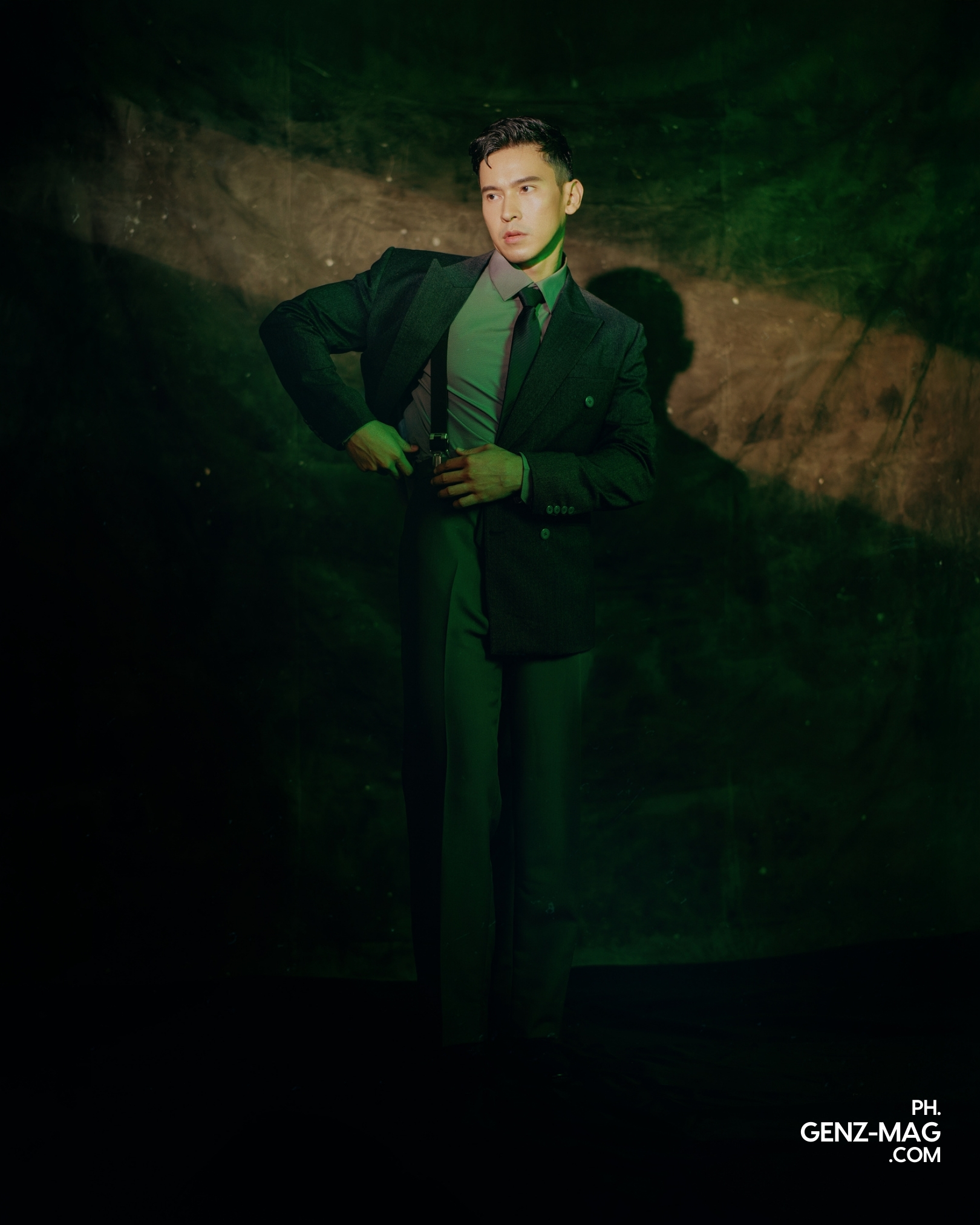
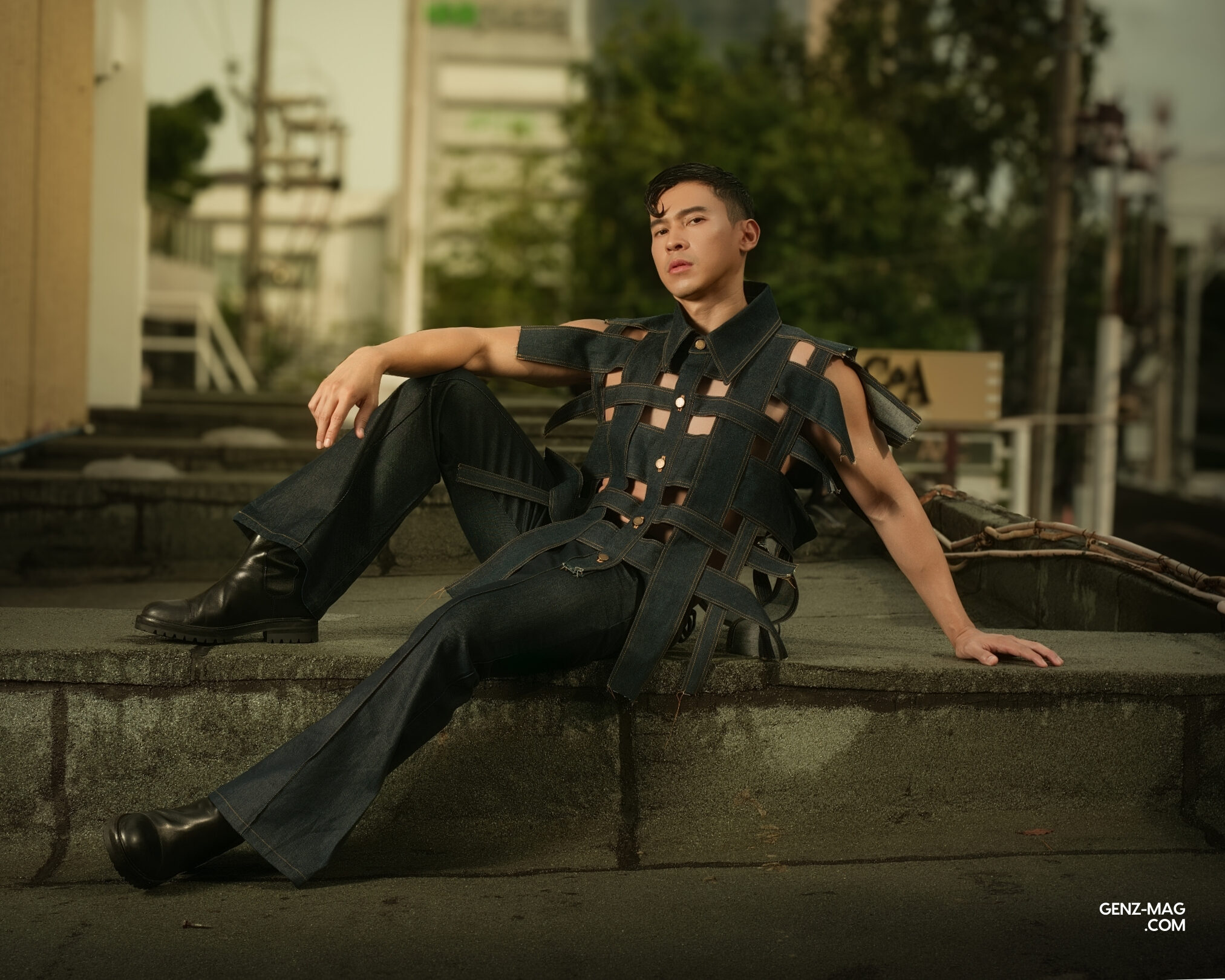
This is why conversations with people who have already walked the path matter. They remind us that there is value in trusting the process. They show us that there are rewards in waiting. In this feature, actor and host Enchong Dee opens up about what it means to last in an industry that constantly reinvents itself. After 20 years in the business, Enchong remains one of the most recognizable names in Philippine entertainment. More than just talent, he reveals that longevity is about mindset, discipline, and embracing every season that comes your way.
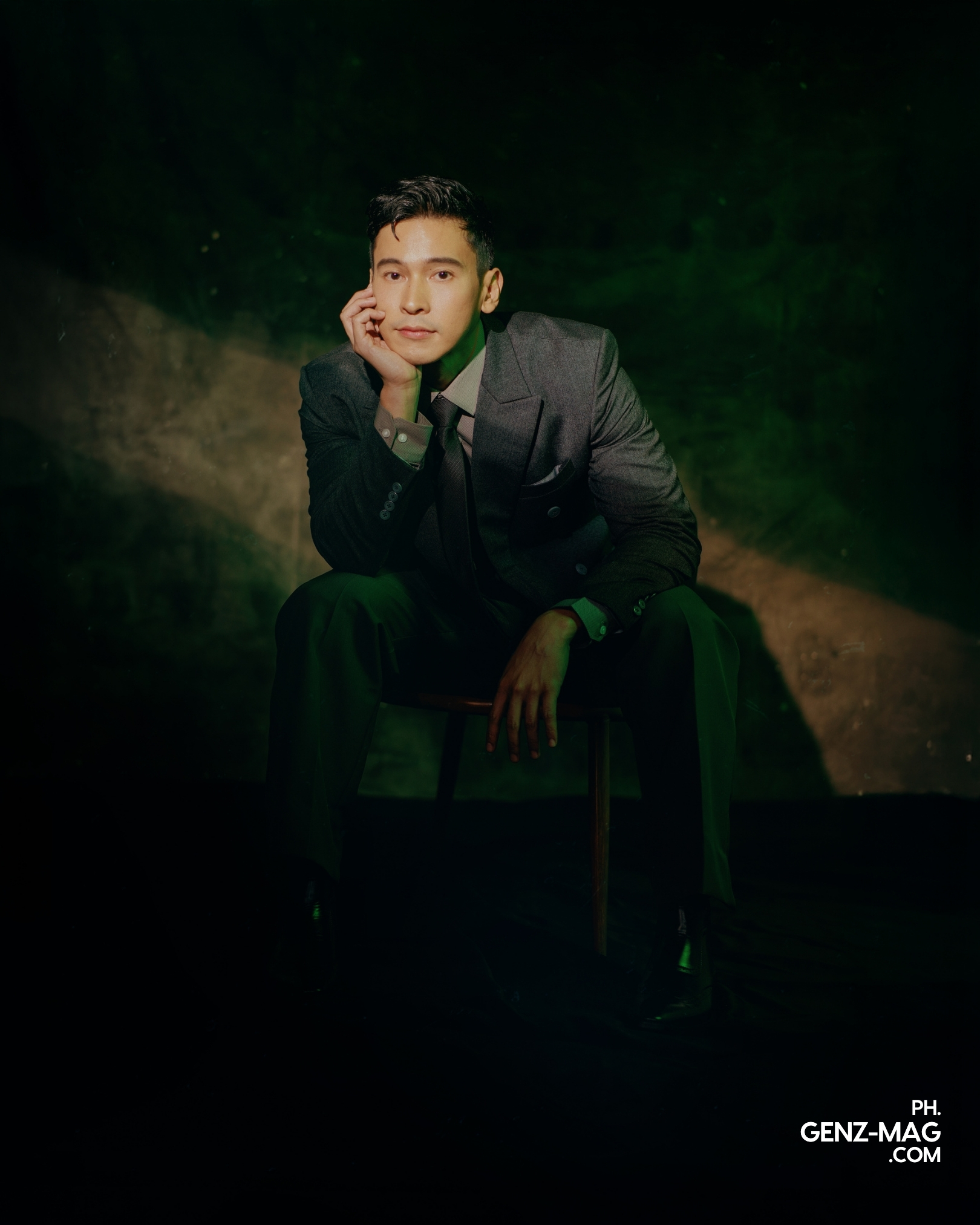
‘Fortunate To Do What I Love’
Many new fans may have discovered Enchong as the playful Vincent Romulo, or Boss V, in the Philippine remake of the Korean hit It’s Okay to Not Be Okay, or probably in the viral Multo posts on TikTok. But long before these recent buzzworthy moments, he was already a household name. His career is filled with memorable portrayals in shows like Katorse, Maria la del Barrio, and Ina, Kapatid, Anak. He also delivered remarkable performances in films, including the award-winning biopic GomBurZa.
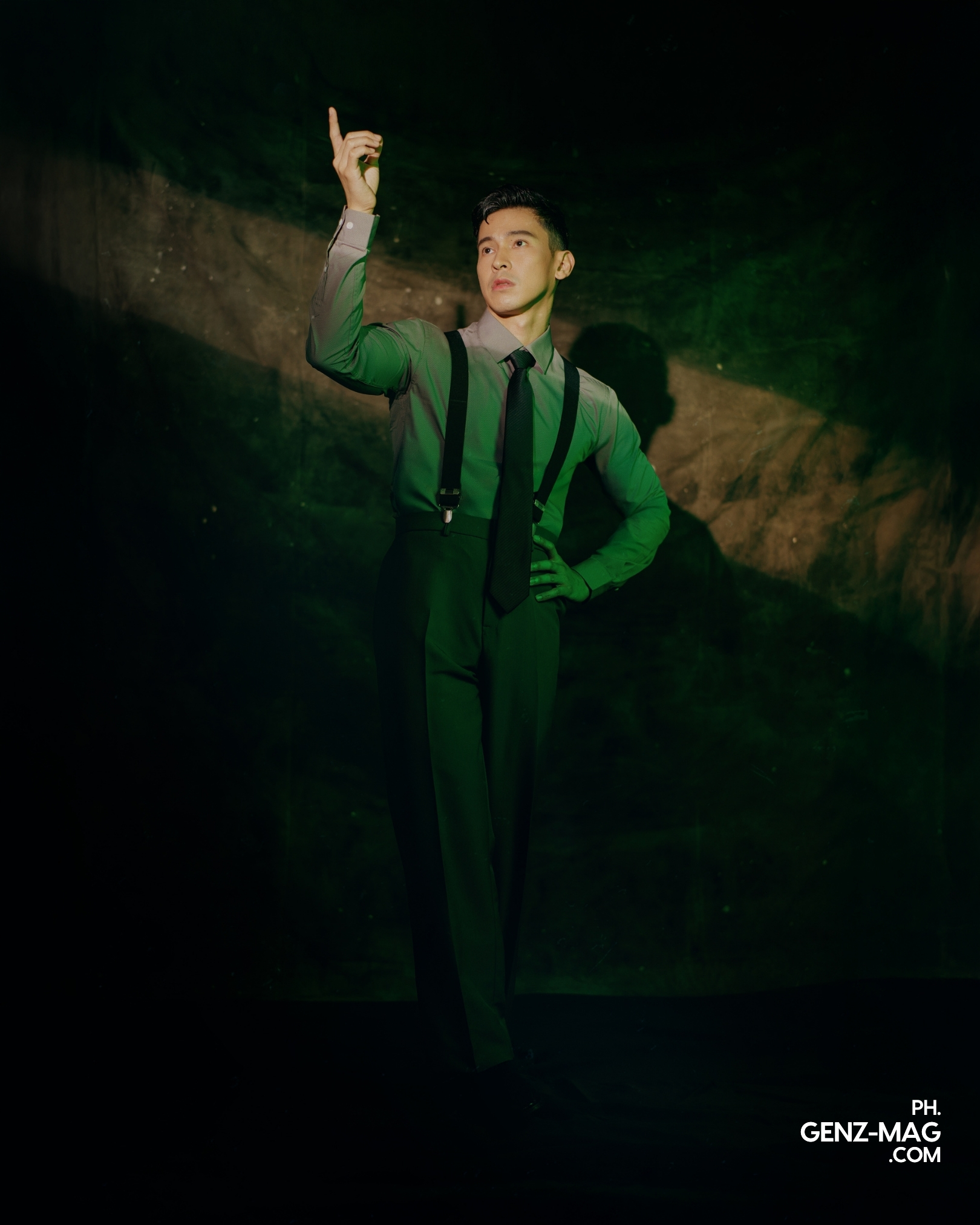
Looking back at two decades in the business, Enchong sees his journey with gratitude. “I’m very fortunate because up to now, I still get to work and still get to do what I love.” His statement comes from a place of humility, knowing how competitive the industry has become.
He has witnessed the evolution of entertainment—of how the rise of social media and new platforms has changed the way artists can create and connect with audiences.
“If you notice, every time, everywhere we go now, someone documents our events, our campaigns. It’s really becoming more about your choices, your paths, your career. It’s sort of democratized the industry. Unlike before, wherein whatever the management says you follow, whatever the management envisions for your career, you sort of just ride their decision-making.”
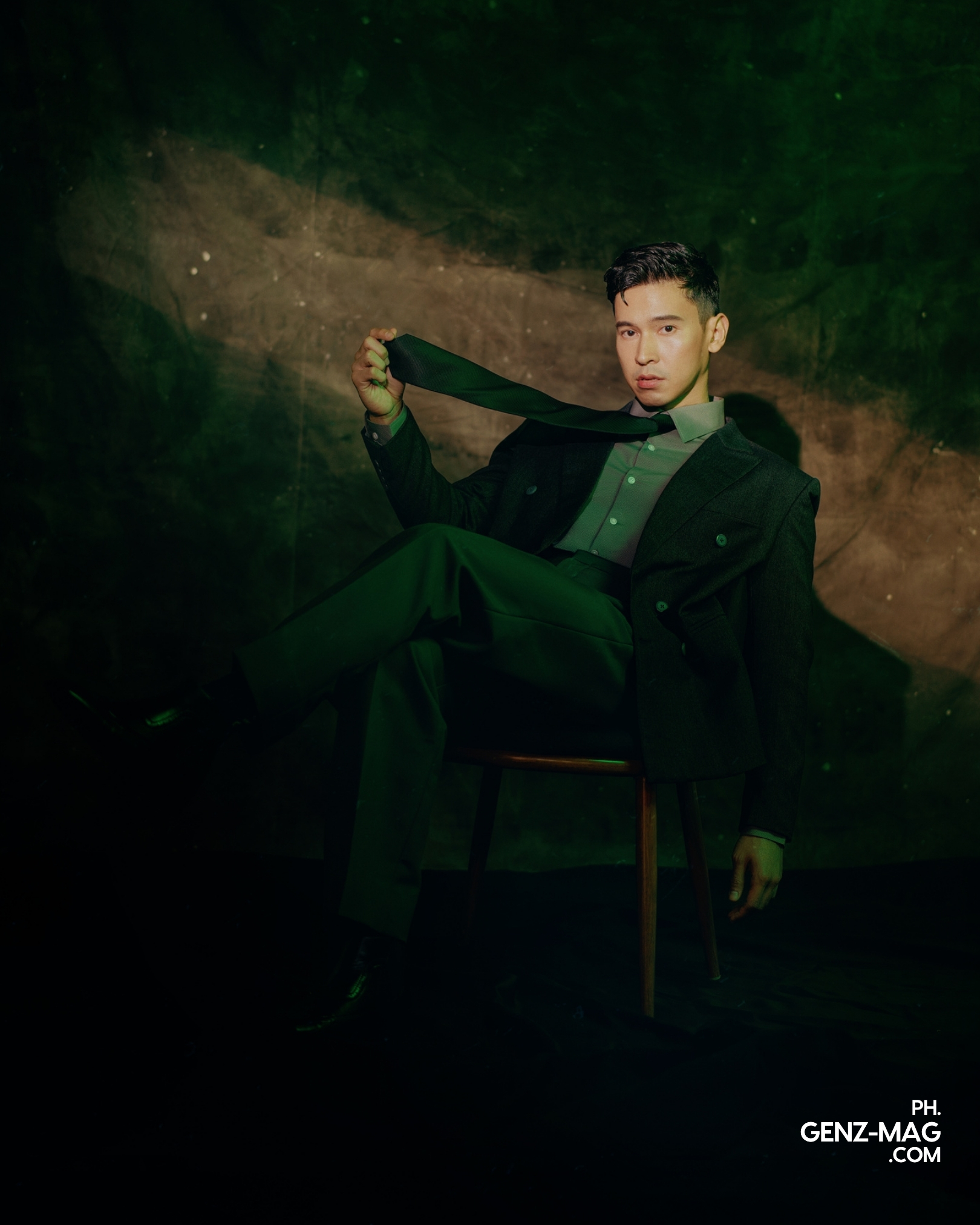
This new freedom has allowed artists to express themselves in ways that were not possible before. For Enchong, this shift is positive. He also sees how it has opened doors for collaborations that once seemed unlikely. “I get to work with artists that we don’t usually get to work with. And I’m looking forward to where the industry will be going.”
He points to names like Dolly de Leon, Manny Jacinto, Elijah Canlas, and Maris Racal as examples of Filipino talents who are slowly gaining recognition on the global stage. With projects lined up, including one set for festivals abroad, hopefully next year, Enchong remains optimistic about how things can unfold.
“Mahirap pangunahan. So, I am in the era wherein I will keep doing and doing more projects so that one way or another, makaka-jackpot ka di ba? And it’s not just about myself but, you know, opening doors for many Filipino artists to have a platform abroad.”

‘There is a Time for Everything’
The emergence of digital media, social platforms, and the rise of influencers has reshaped the spotlight—welcoming fresh faces and new forms of expression. Enchong sees this shift not as a challenge but as a powerful opportunity. It’s opened doors for him to connect more deeply with people, especially younger audiences who engage with content in new ways. His fit check videos, for instance, have sparked support and conversations with followers who resonate with his style and authenticity. “I never had a strong male following, but now with the younger generation, I think it has democratized the celebrity playing field also. Everyone has more freedom to dress the way they want to, express themselves the way they want to. And I’m glad, I’m very happy because it’s also opening freedom to a lot of younger generations.”
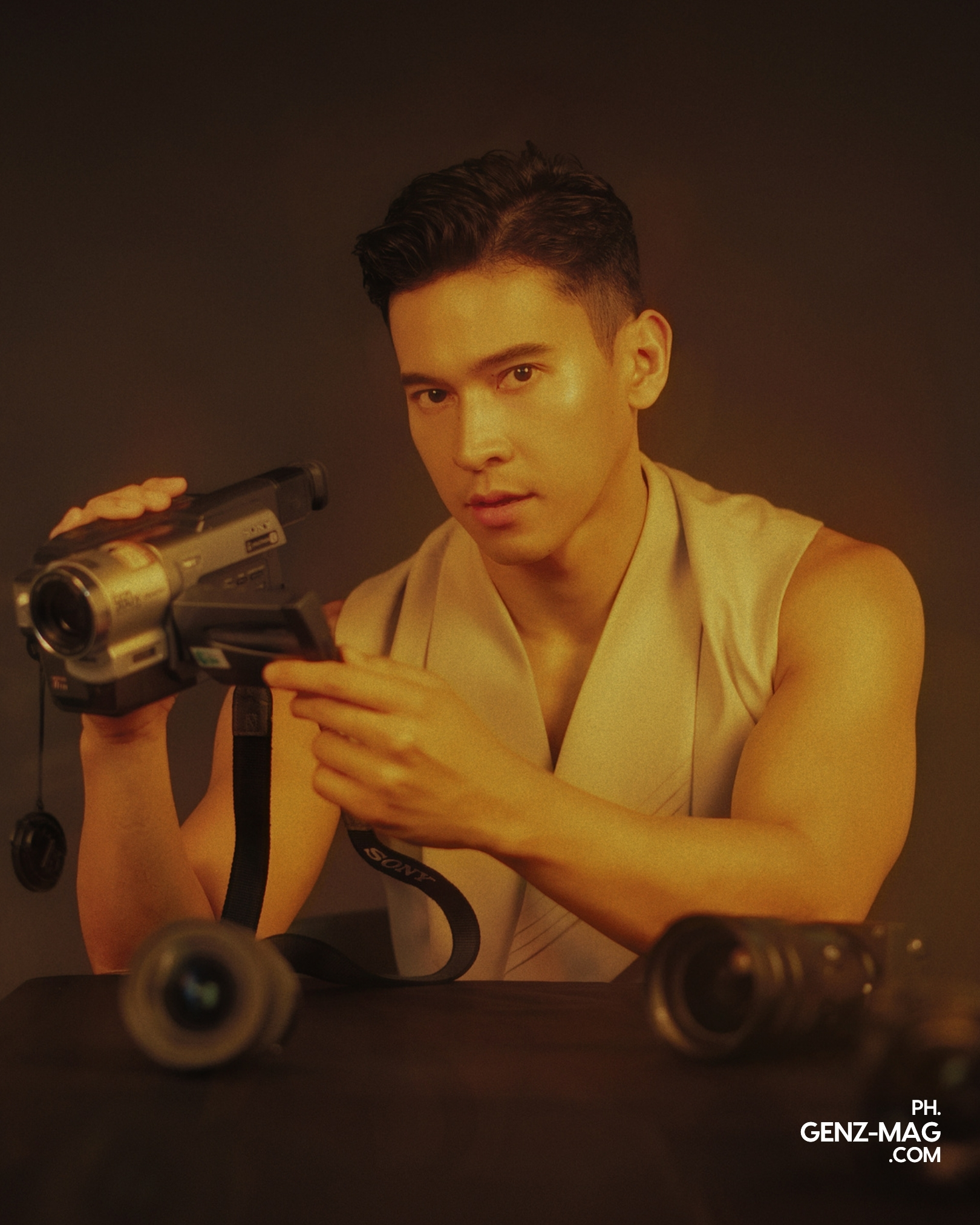
For Enchong, this shift in culture has reinforced one important lesson: timing. He admits that he has had moments when he wanted certain things to happen right away. But life has shown him that not everything unfolds according to personal timelines.
“Sometimes we want to do something that’s not yet your time, and there will be a perfect time for everything. Sometimes you have to take a back seat, sometimes you have to be in the front seat, sometimes you are asked to be vocal about something, and sometimes you are preferred to stay quiet. And I think learning to trust the process, learning to trust your timing is something that would be very helpful to the younger and young.”
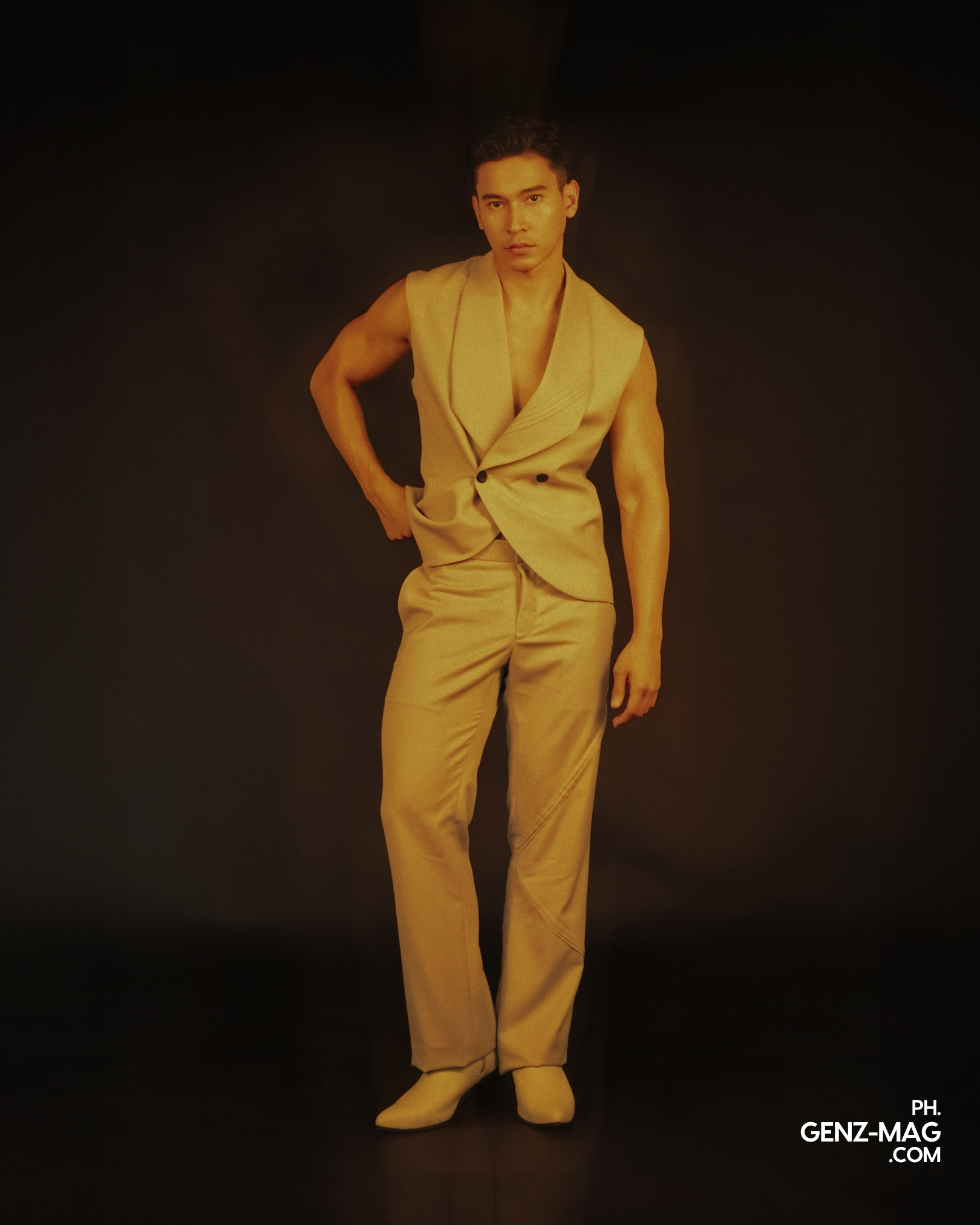
His wisdom comes from experience. The industry has taught him that it is not about who shines first. It is about who can stand the test of time. That’s why he highlighted, “If you really love what you do, you’re willing to wait.”
Even after 20 years, Enchong continues to approach his work with humility. He emphasizes the importance of being teachable, even to those who are new. “I still admire a lot of people, even the younger generation. I love how brave they are and how open they are to new forms of what this industry came about.”

This openness may be one reason why he was invited to give a TEDx talk at Miriam College High School. Speaking about his experiences, he reflected not just on his career but also on the importance of evolving as a person. His talk was a reminder that growth is not just about professional milestones but also about knowing yourself.
‘Embrace the Good, the Bad, and the Ugly’
Every artist has seasons of joy, struggle, and rediscovery. For Enchong, his role in It’s Okay To Not Be Okay felt like a renewal of passion. A rebirth. “It brought me back to that love for craftsmanship.”
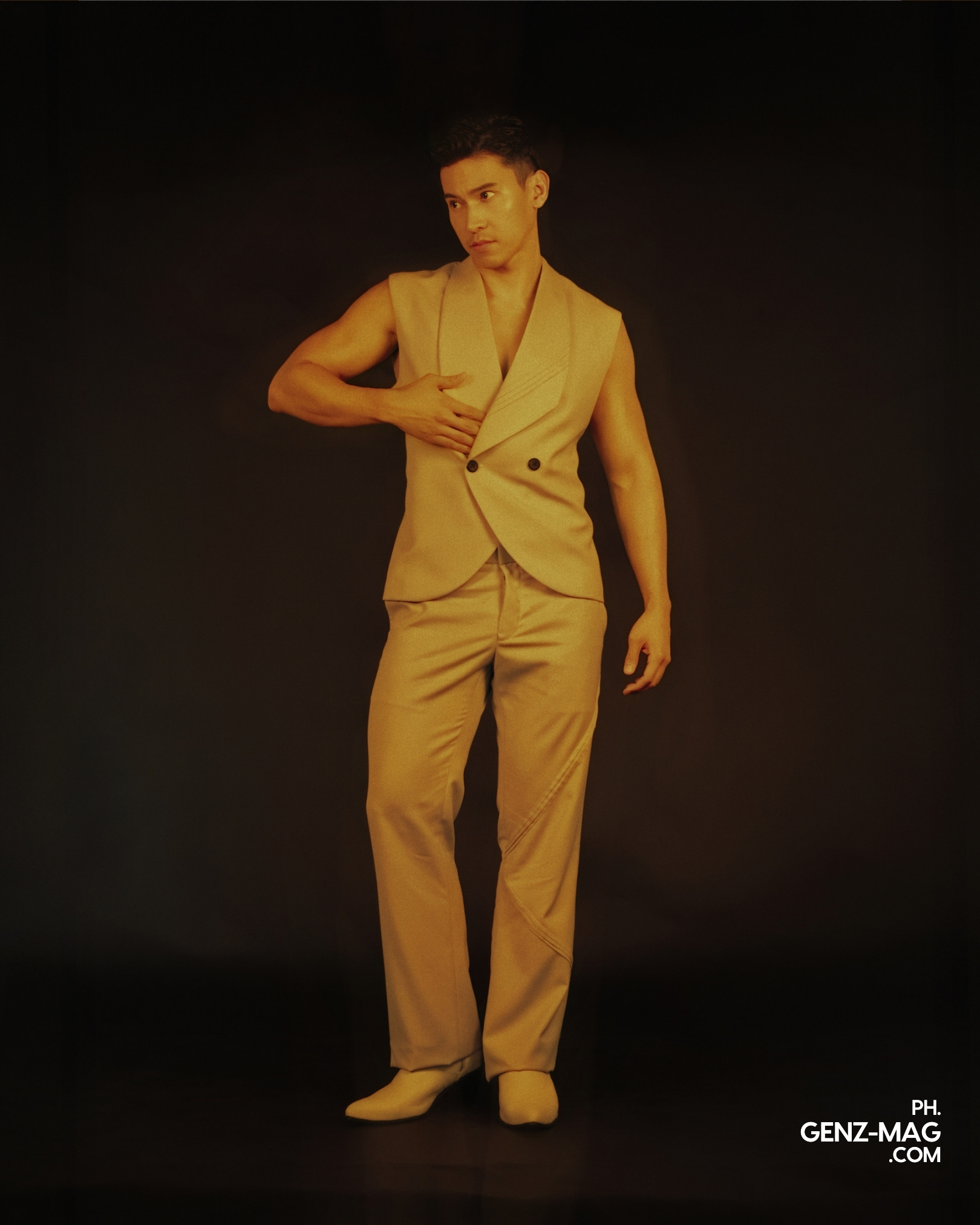
Working with Anne Curtis was also an eye-opening experience. He admired her professionalism and attitude. “She’s really a team player, and I admire it because it’s sort of like an immersion again. Not once did I hear her complain. Because minsan nakakalimutan ko na, ‘Ay, oo nga pala no? Kapag mahal mo pala ‘yong ginagawa mo, everything that goes with it, the good, the bad, the ugly side of everything, you embrace it.’”
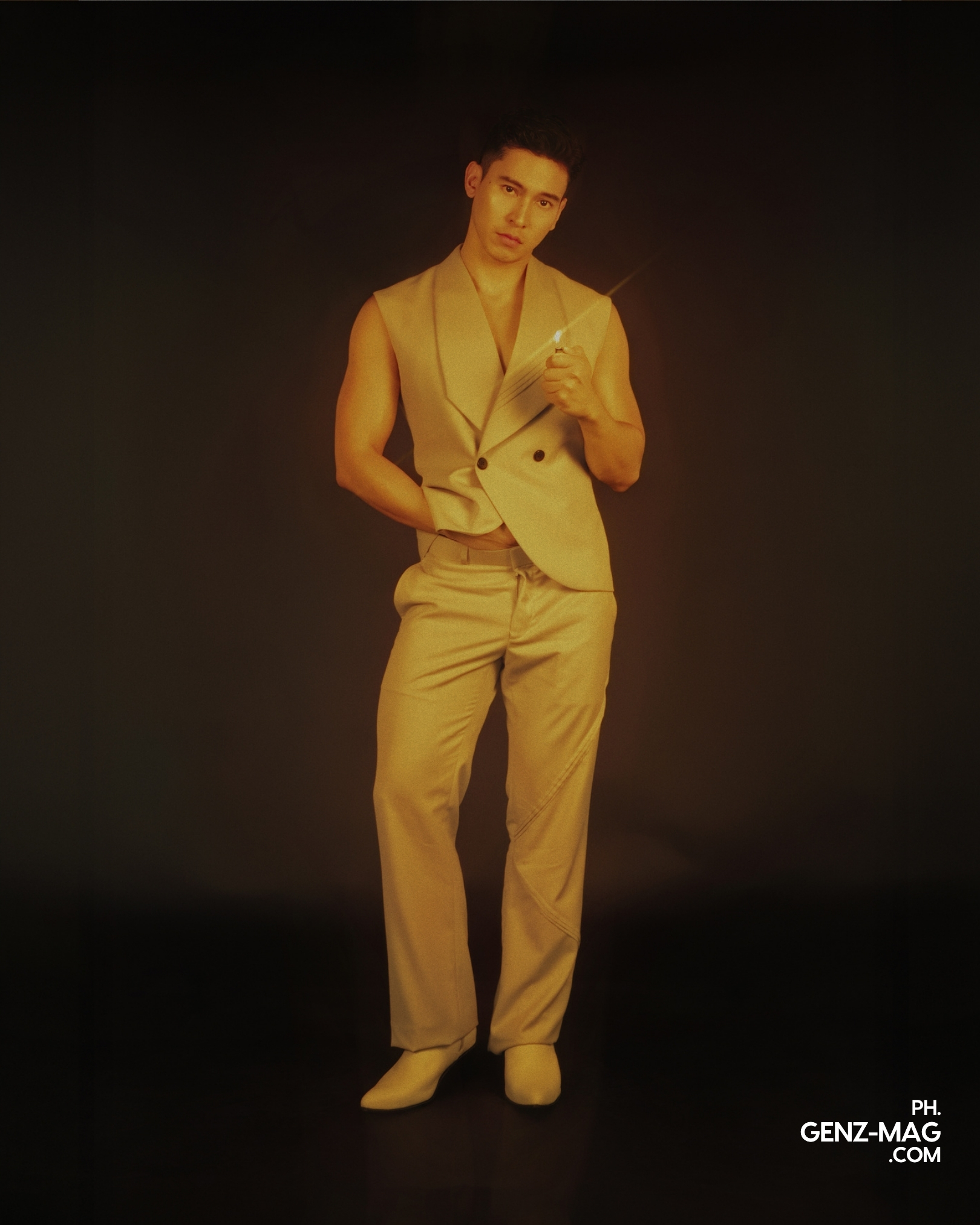
And this realization has helped shape the way he approaches work today. He reminds himself of the privilege he has. “You’re paid to do this. You are paid to wait. Be professional.” This gratitude extends not just to the project but also to the people he works with. He highlights how refreshing it was to collaborate with Carlo Aquino, Joshua Garcia, and Xyriel Manabat.
Like many others who have been in the same field for years, Enchong acknowledges that routine can dull excitement. But lately, he has rediscovered his love for the industry.
“I just love everything that’s part of the industry.”
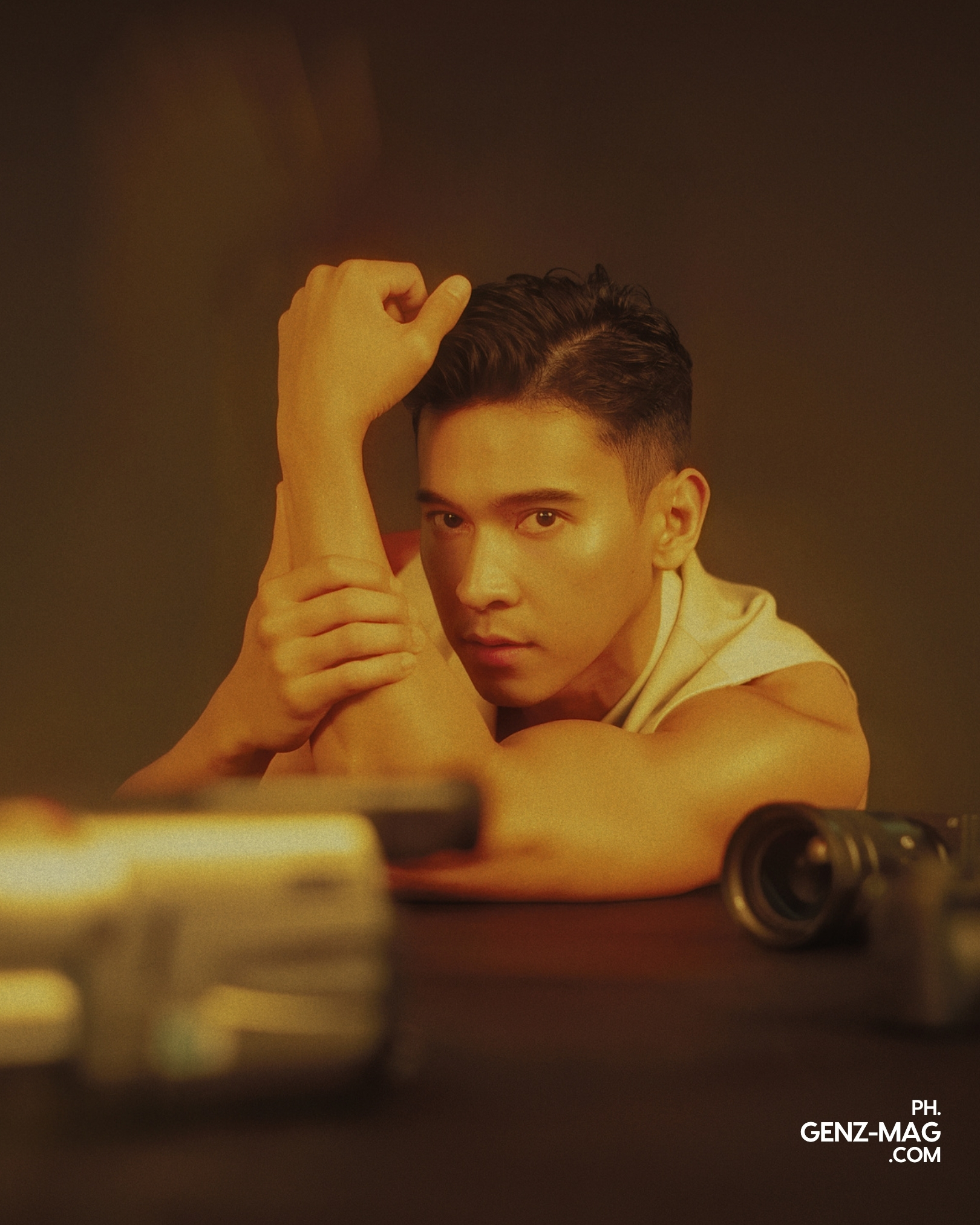
Part of this maturity also comes from learning to take responsibility.
“Being an adult, sometimes you don’t always like what you’re doing, but you have to be responsible. You have to be accountable. You said yes, then go for it. That’s why I’m very careful with the things that I say yes to because I know that when I say yes, it’s a hundred percent commitment.”
For him, ‘adulting’ is not about perfection but about showing up. Not just physically arriving on time but being present and committed. He emphasizes the need to show up for yourself, too, most especially during the difficult days.
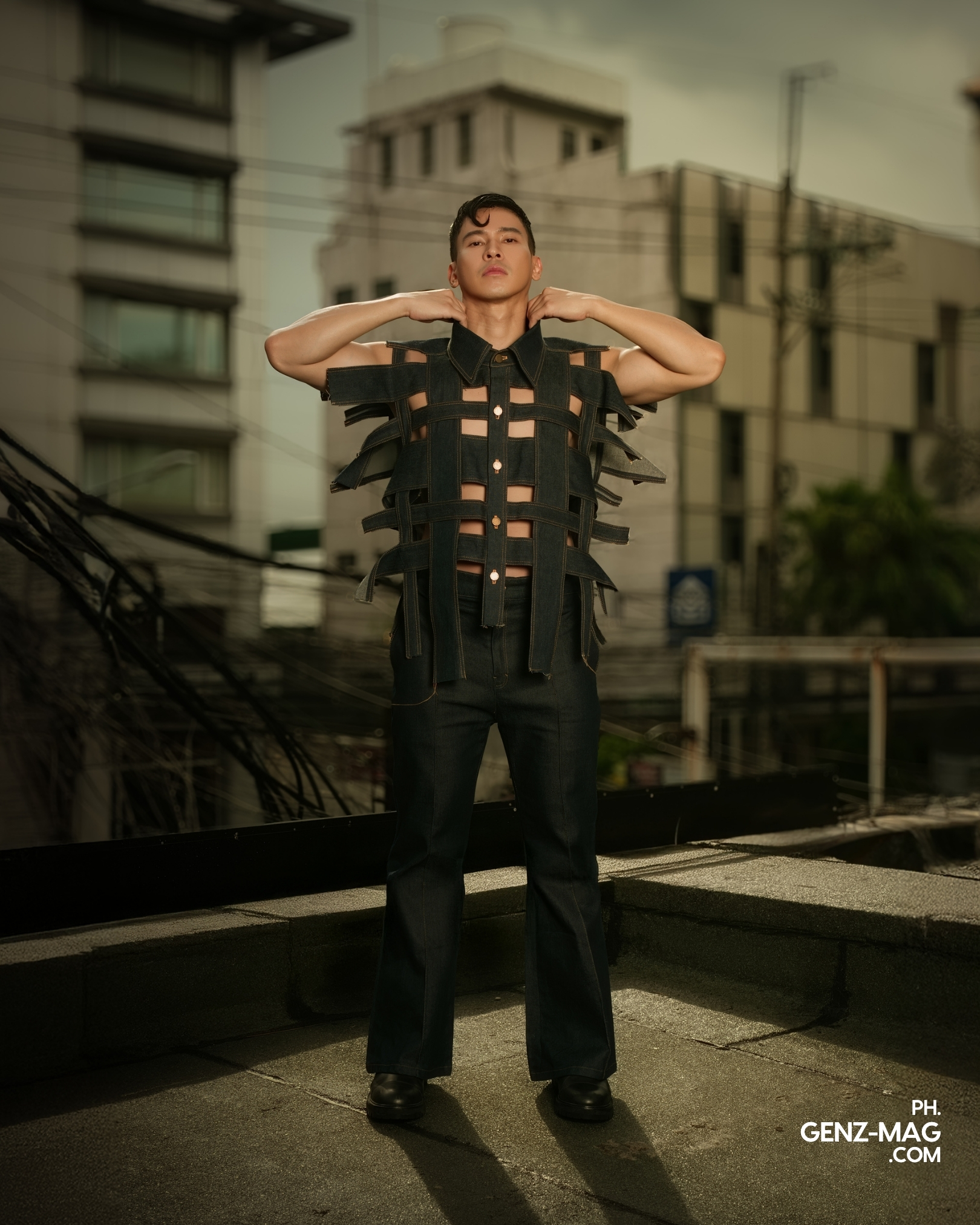
‘In This Business, You Never Really Retire’
There is a unique truth about choosing a life in the spotlight. Fame never completely leaves you. “In this business, you never really retire. Even if you stop working, people will still notice you. People will still know you somehow, one way or another. So, after I heard that, I realized, ‘Oh, so even if I retire from this work, you still have a responsibility to the few people that know you.’”
For some, this responsibility might feel heavy. But for Enchong, it is a reminder to live with awareness.
“It’s a nice reminder because may responsibility ka as someone that is in the public eye all the time.”
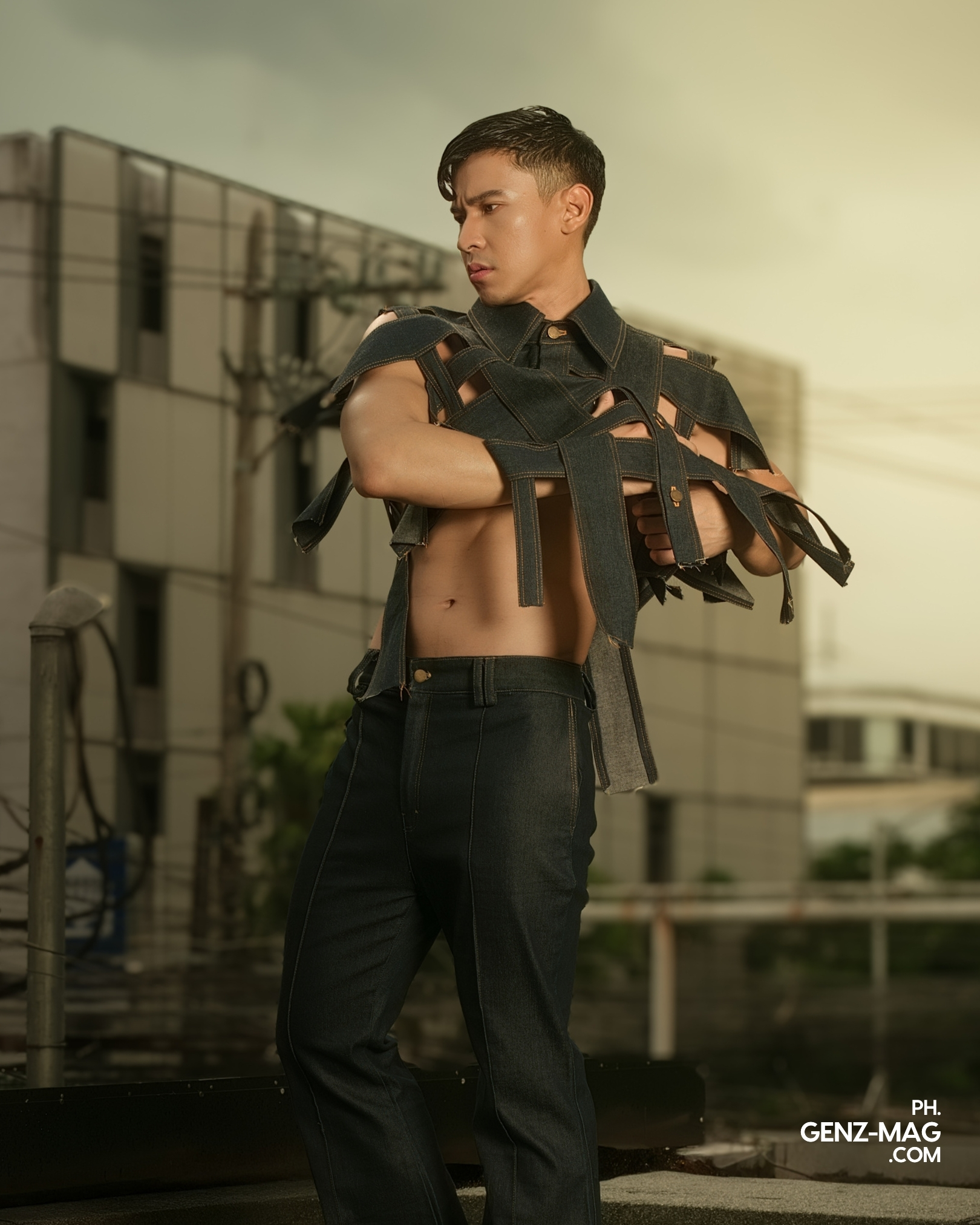
He hopes to continue working on projects in the next five to ten years while also exploring other ventures. Part of his vision is to mentor the younger generation. “Because I owe it.” He knows how valuable it is to have guidance in such a complicated industry. “I want to be that kuya that can, you know, be a guiding voice to them. They don’t have to follow what I say, but at least they have that advice that they can always go back to.”
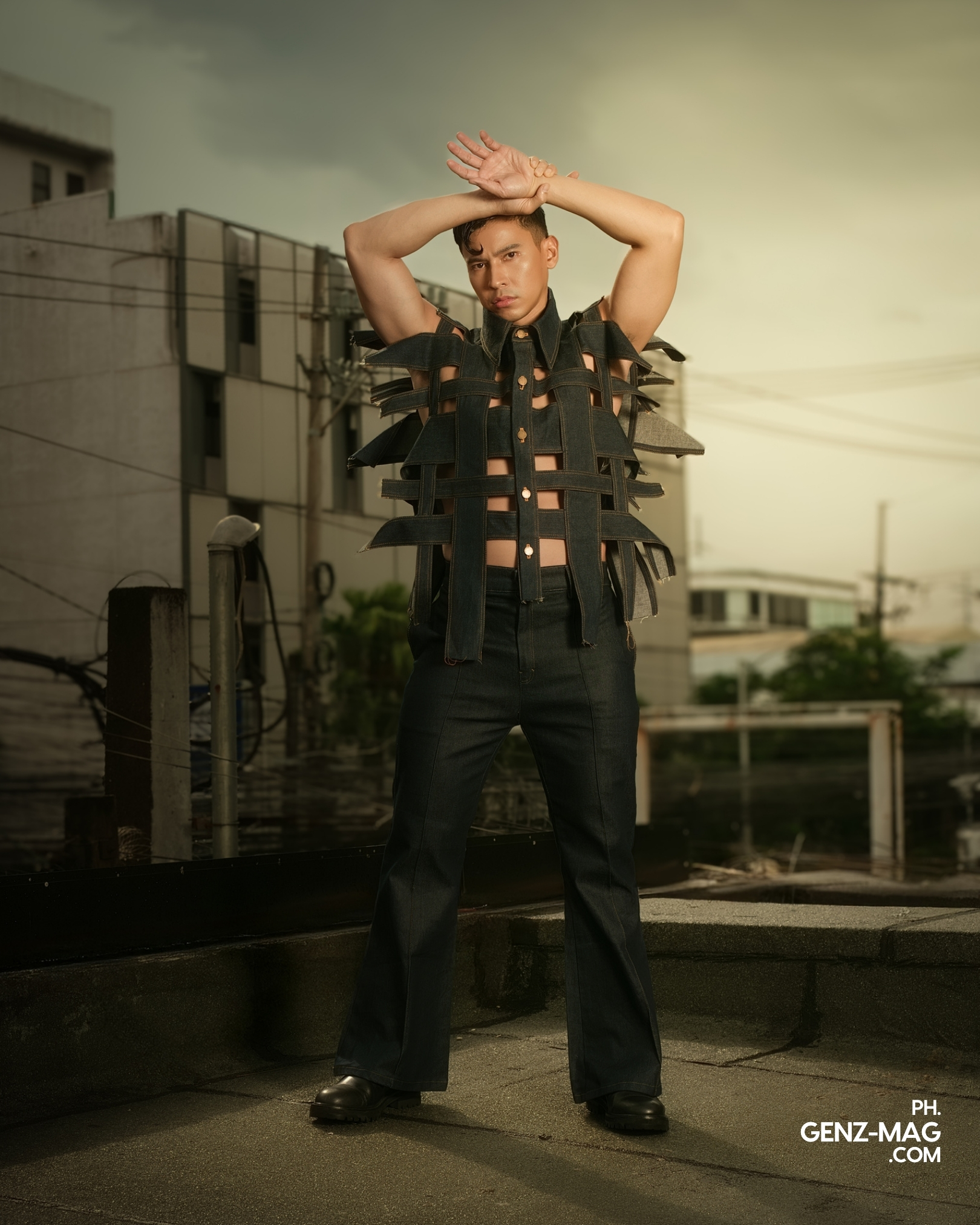
Beyond mentorship, Enchong dreams of bringing Filipino talent to the global stage. His motivation is not just fame. It is about representation.
“When people see me, they will say, ‘Oh, this is how Filipinos look like, this is how Filipinos carry themselves, and it’s nice to be able to bring in the Philippine flag or the Filipino name, the Filipino culture, the Filipino identity to the global stage and be respectful about it.’”
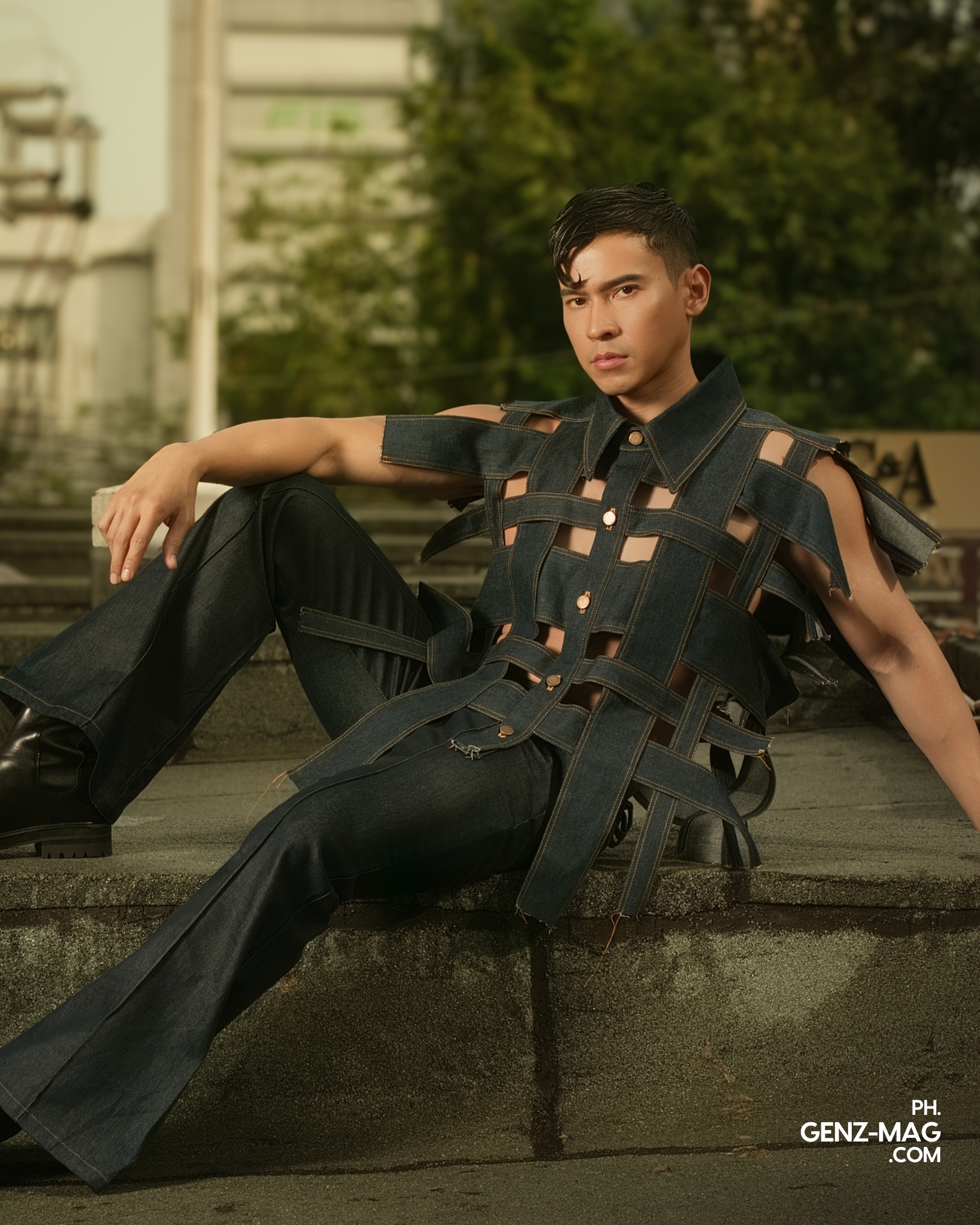
He believes Filipinos should not allow negative narratives to define the country. There are so many stories of strength, talent, and culture that deserve to be told.
“There are so many good things to showcase, to show the world, and I would want to be part of that. Tayo rin naman ang gumagawa kung saan natin gustong dalhin ang sarili natin.”
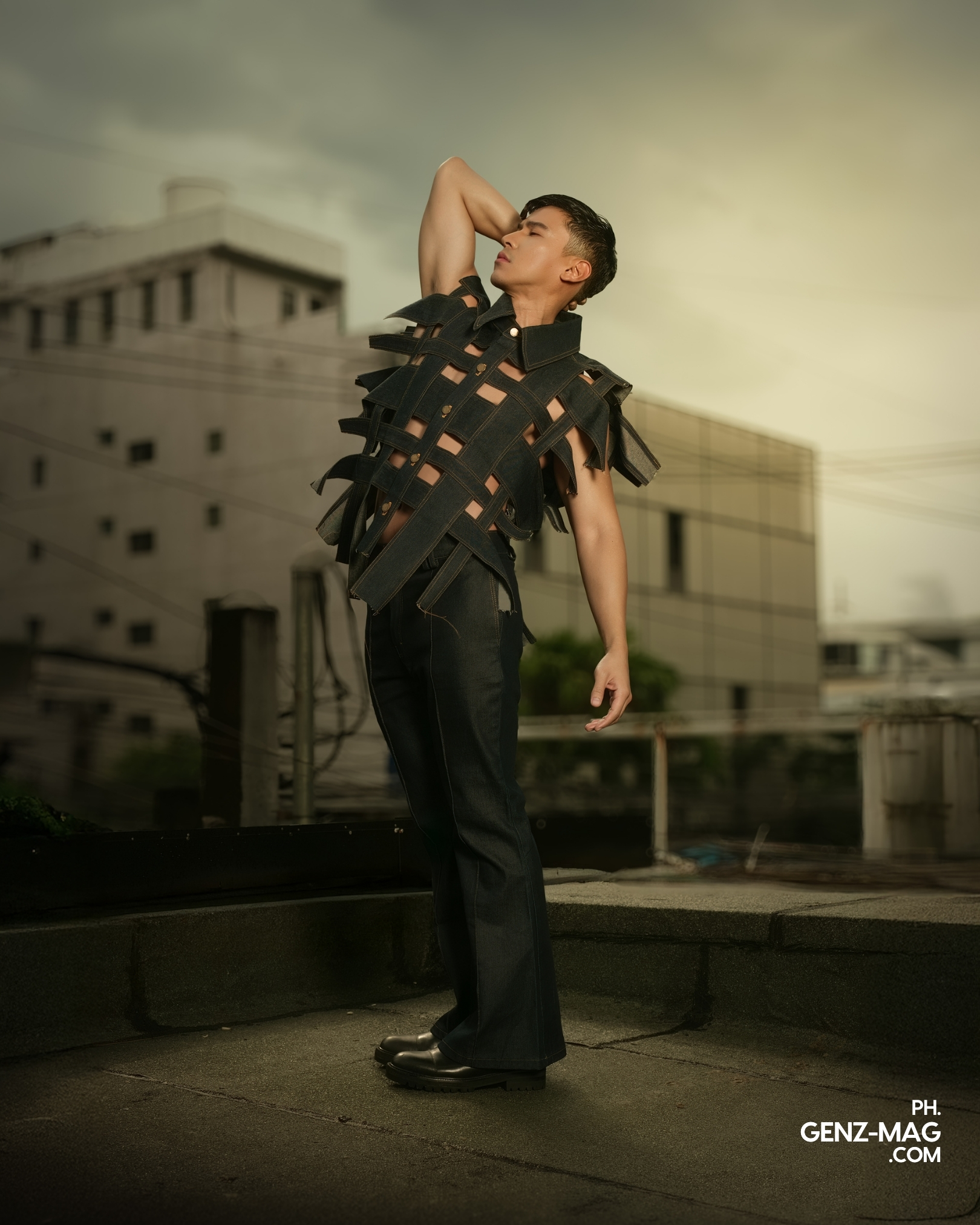
Playing the Long Game with Enchong Dee
Enchong’s two-decade journey in the industry is a wonderful reminder that success is not actually a sprint but a marathon—one that does not always come in viral moments or instant recognition but is actually built through years of showing up, learning, evolving, and loving what you do despite the challenges.
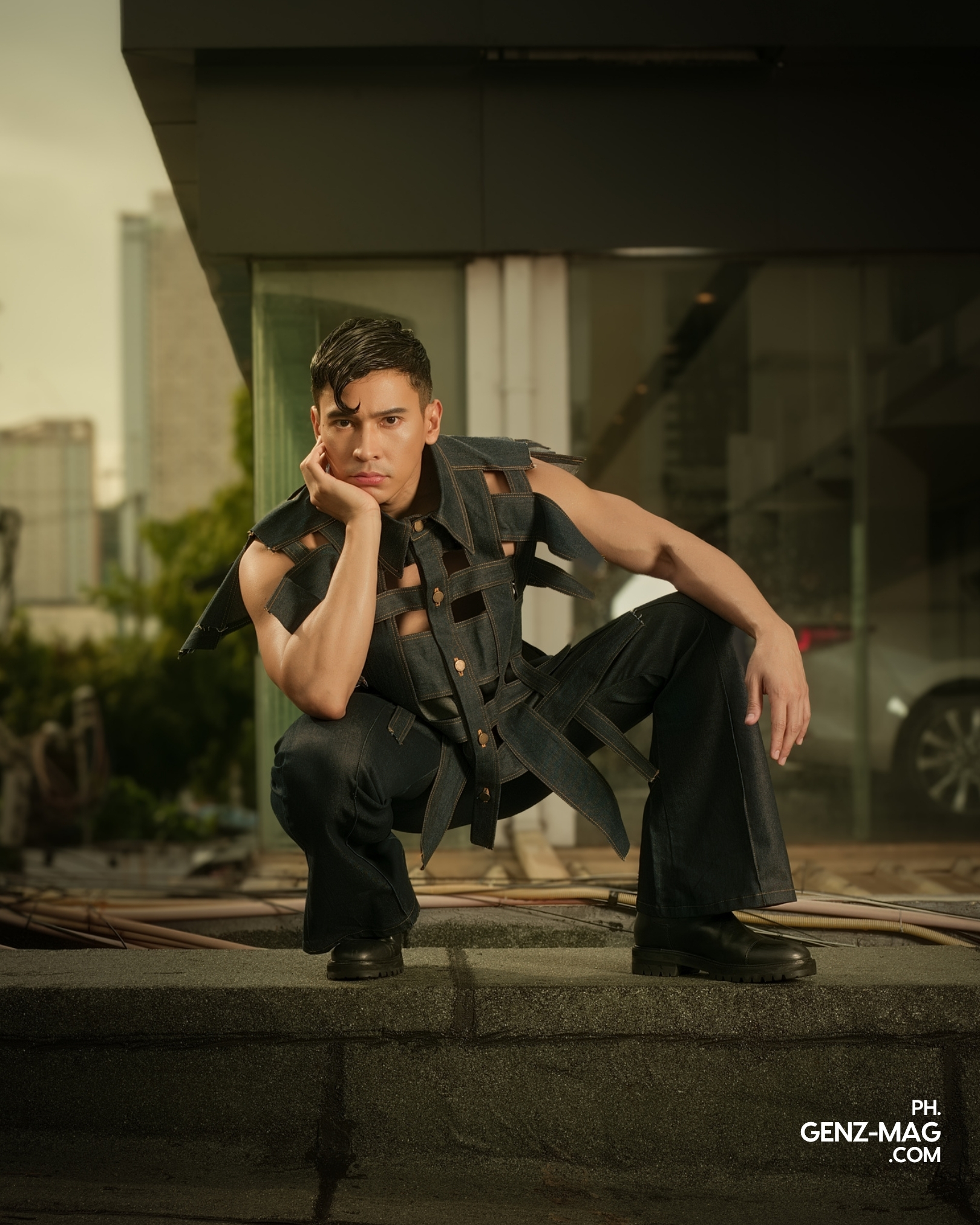
So if you feel pressured with all the happenings around you, Enchong’s story is a gentle reminder that you are allowed to move at your own pace. You do not have to measure your worth by timelines set by society. What matters is your persistence, your passion, and your patience.
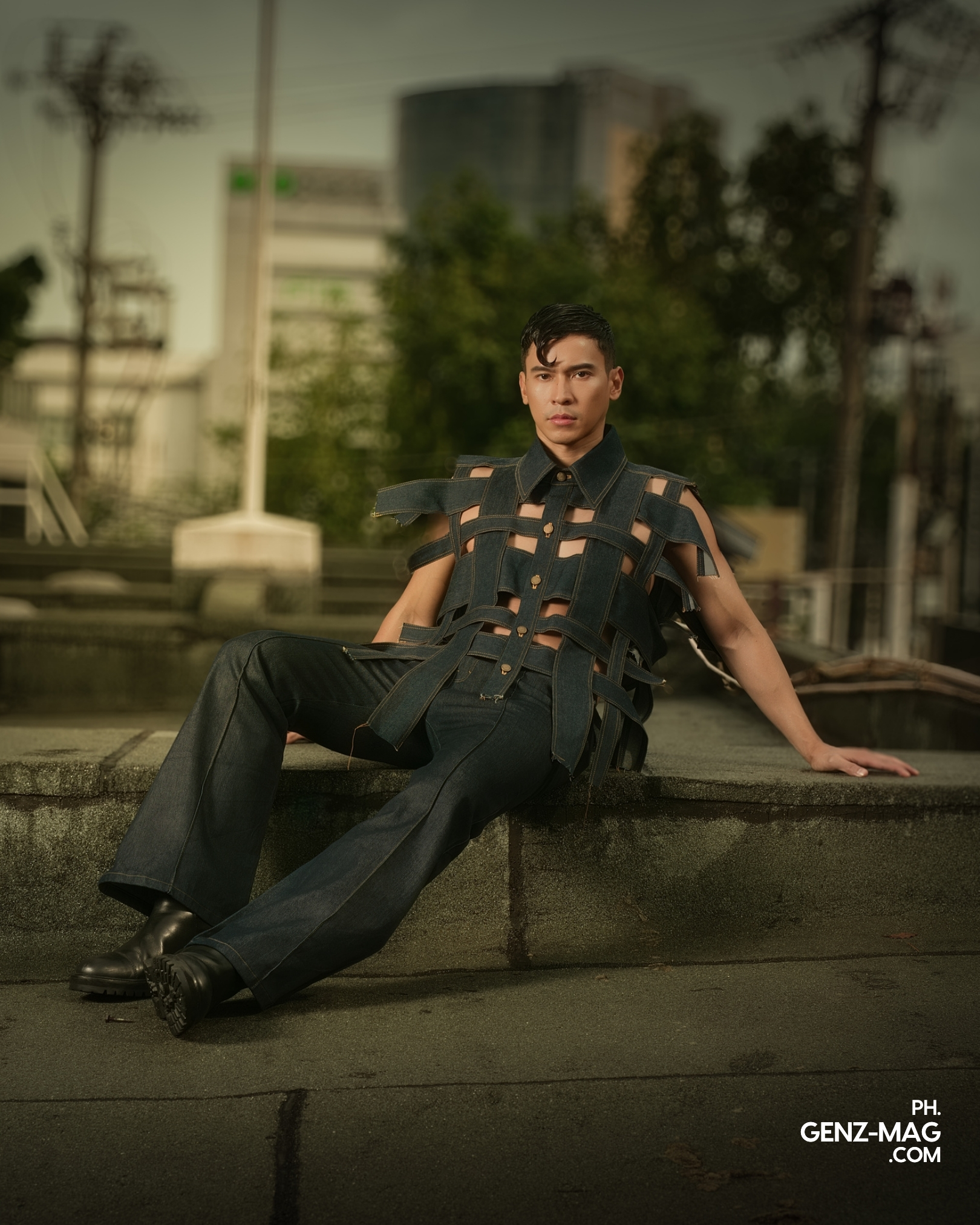
Enchong himself puts it best through the way he lives: trust the process, honor your timing, and believe that if you truly love what you are doing, the rewards will come. The long game may not be the easiest path, but it is the one that builds the strongest foundations—one that will keep you going no matter which path you choose to take.
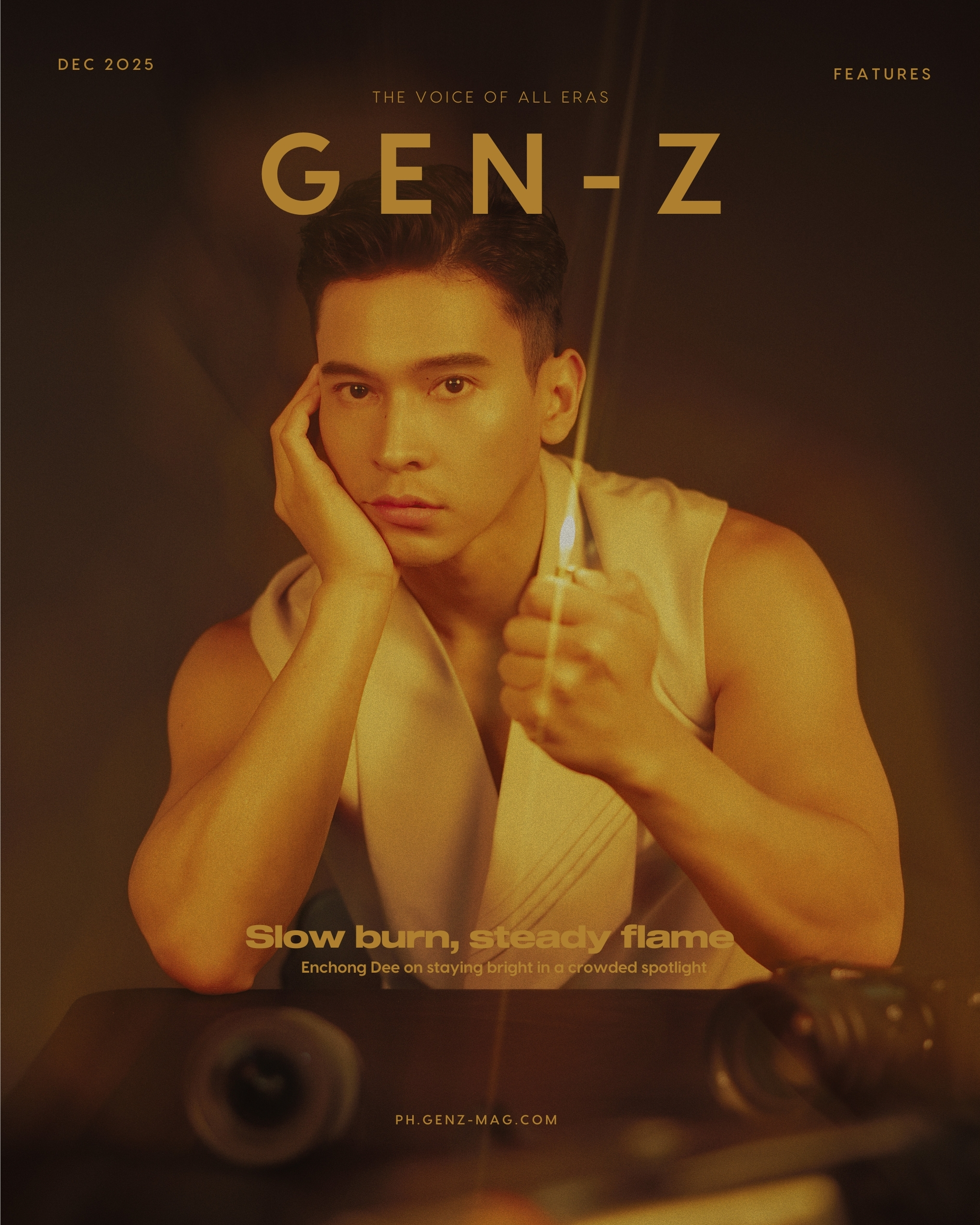
Creative Direction & Photographed by Em Baun
Shot on location: In the Studio — Manila
Hair & Makeup: Hernan Soriano
Stylist: Ivor Jullian
Video: Mary Jane Manglicmot Assisted by: Antonette Duka
Shoot assisted by: Stephen Singson, Junko Bartolo, Nami Padilla, Ayi Gamutan, Bon Giovani Pineda
Overall Coordination: Angel Altura | Niccole Mendoza