
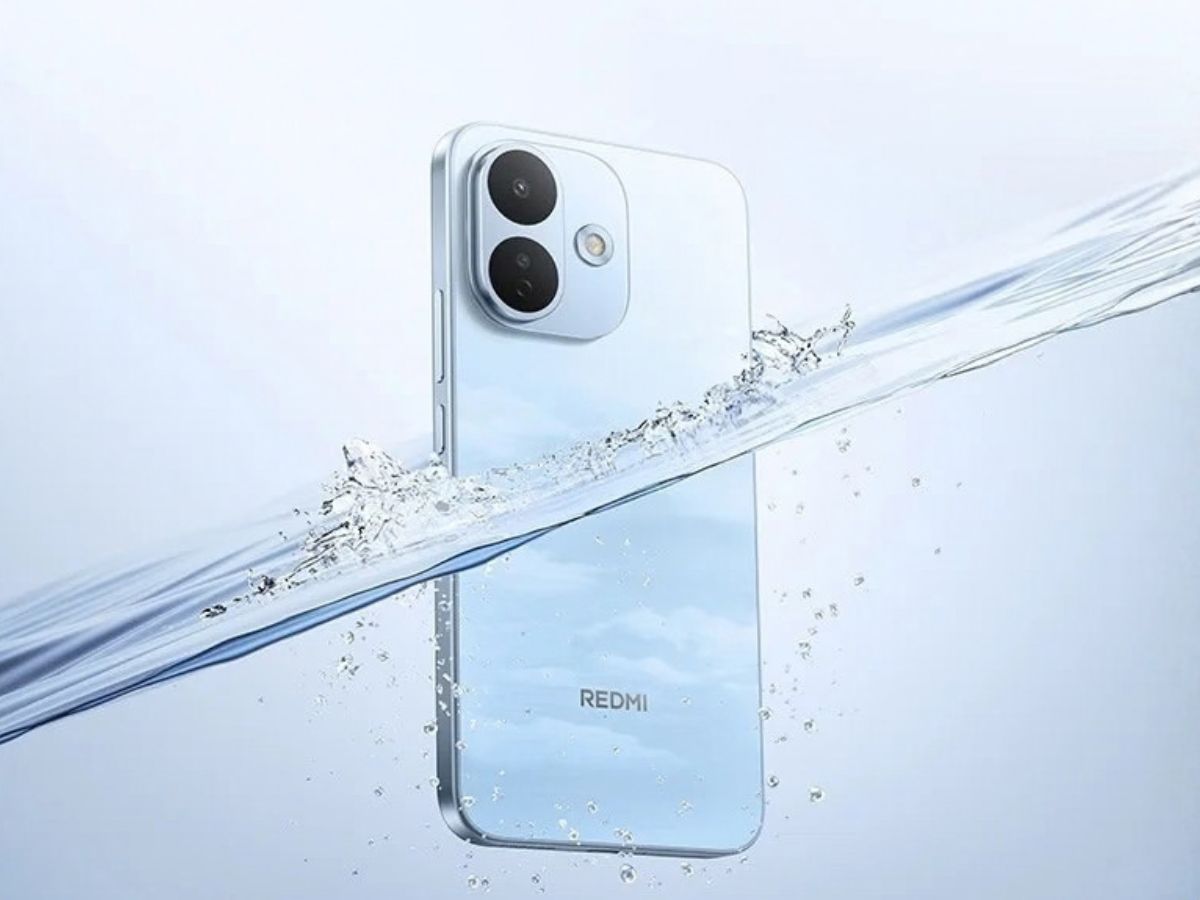
The REDMI Note 17 Pro 5G arrives with a clear idea of what it wants to deliver. Xiaomi has placed significant attention on battery endurance, physical durability, display quality and a software experience that increasingly integrates artificial intelligence into everyday smartphone use. Rather than allowing one specification to define the entire device, the phone brings together several practical features designed to make everyday ownership easier.
At the centre of the experience is an enormous 8,340mAh silicon-carbon battery, a 6.83-inch 1.5K AMOLED display, Corning Gorilla Glass Victus 2, extensive protection against dust and water, 67W HyperCharge and Xiaomi HyperOS 3. The phone is powered by Qualcomm’s Snapdragon 6s Gen 4 platform and includes a 50MP main camera with optical image stabilization, an 8MP ultrawide camera and a 16MP front camera.
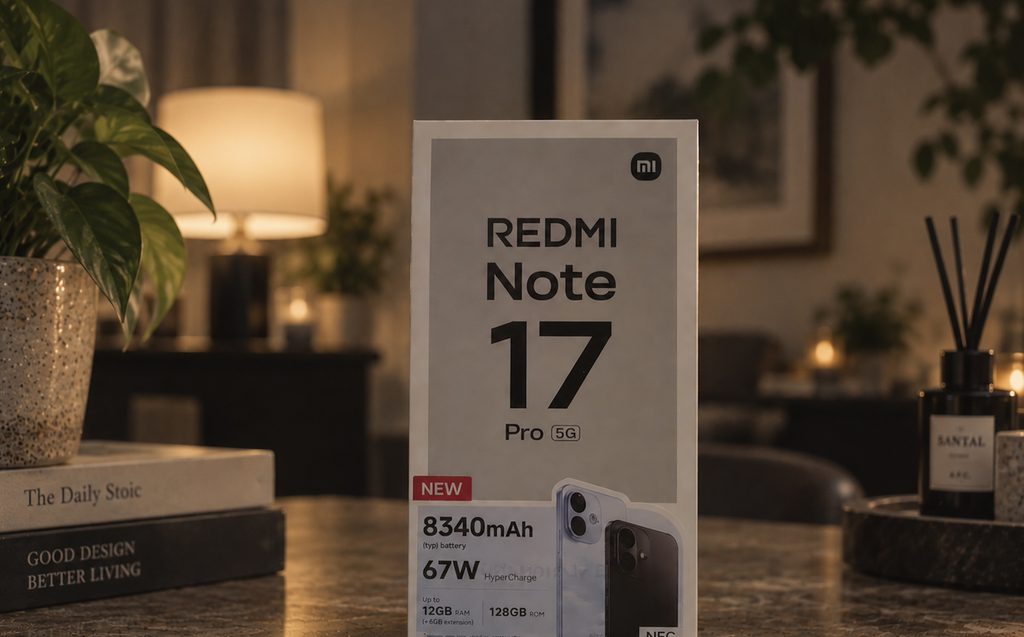
On paper, the REDMI Note 17 Pro 5G certainly has plenty going for it, but specifications only tell part of the story. What matters is how those features come together once the phone becomes part of a normal day, whether that means checking emails in the morning, commuting with mobile data turned on, taking photos throughout the afternoon, watching videos, gaming, navigating with Google Maps and continuing to use the same device well into the evening.
That is where the REDMI Note 17 Pro 5G begins to make sense. Its strengths are focused heavily on endurance, durability and usability, although there are still several areas where the Pro name creates expectations that deserve closer examination.
Unboxing the REDMI Note 17 Pro 5G
The REDMI Note 17 Pro 5G arrives in relatively understated packaging with a clean presentation that keeps the focus on the device itself. The box does not attempt to turn opening a smartphone into an unnecessarily elaborate experience, which works well with the practical personality of the product.
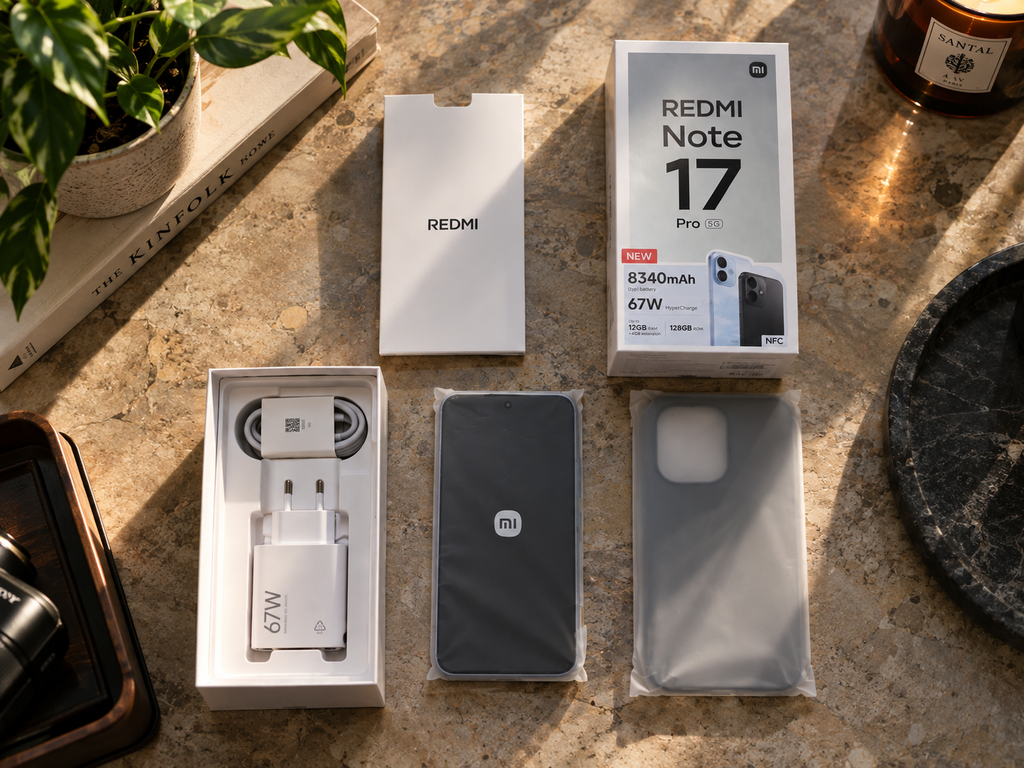
Inside the Philippine package is the REDMI Note 17 Pro 5G together with the 67W HyperCharge power adapter, charging cable, protective case, SIM ejector tool and the usual documentation. Having the compatible charger supplied in the box means the phone’s fast-charging capability can be used immediately without requiring an additional purchase.
The included protective case is another welcome addition for anyone who wants to start using the device immediately. It provides additional protection around the frame and rear panel, although owners of the Sky Blue version may occasionally want to remove it simply to appreciate the finish underneath.
First impressions in the hand
The REDMI Note 17 Pro 5G is a substantial smartphone, but what immediately becomes interesting is how much Xiaomi has managed to fit into its body. The phone is approximately 8.6mm thick and weighs around 223 grams, while the front is dominated by a large 6.83-inch display.
Inside that relatively conventional body is the 8,340mAh silicon-carbon battery, which becomes one of the defining elements of the device. Despite that capacity, the phone does not feel unusually thick or awkwardly proportioned. It feels dense and reassuringly solid in the hand rather than excessively bulky.
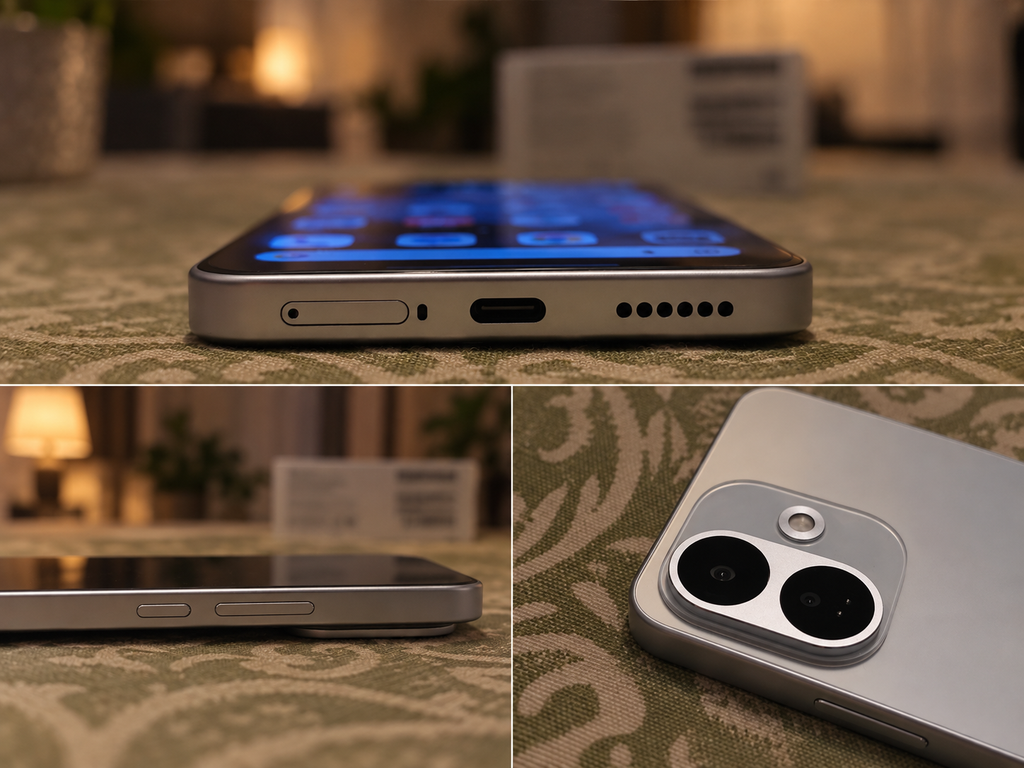
The 223-gram weight is noticeable during longer periods of use, particularly if the phone is being held with one hand. The width of the device also means people with smaller hands may naturally use both hands for typing, gaming or extended browsing. This is very much a large-screen smartphone, and the physical experience reflects that.
Design that feels clean and youthful
The REDMI Note 17 Pro 5G follows a clean design language built around flat surfaces, rounded corners and a relatively restrained camera housing. There are no overly aggressive decorative details across the rear panel, which allows the colour and physical proportions of the phone to do most of the visual work.
Sky Blue is particularly effective because it gives the device personality without making it look overly playful. The matte surface helps minimize visible fingerprints, while different lighting conditions can subtly change how the rear panel appears.
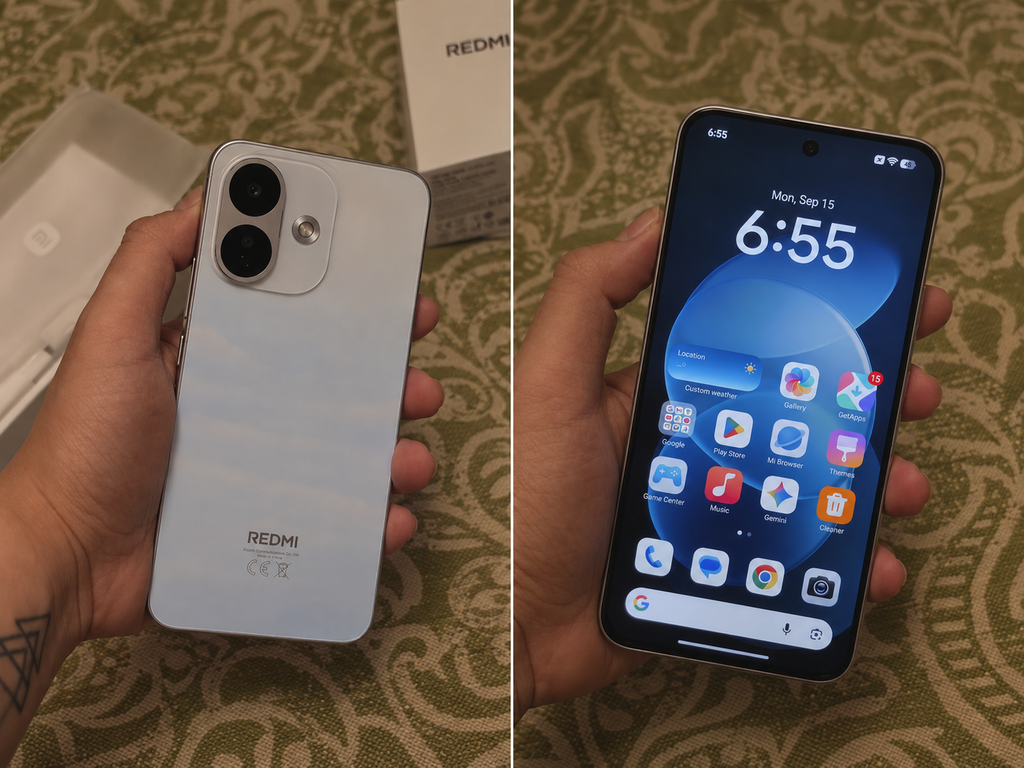
The design also avoids excessive branding. There are no large graphics or unnecessary visual elements competing for attention, which helps the phone maintain a cleaner appearance that should remain visually relevant over a longer ownership period.
Durability is one of the strongest parts of the experience
The REDMI Note 17 Pro 5G puts serious attention on durability. The front uses Corning Gorilla Glass Victus 2, while Xiaomi’s REDMI Titan Structure is designed to strengthen the construction underneath the exterior.
The phone has also been tested for drops from heights of up to three metres under specified laboratory conditions. That figure is impressive, but it should still be treated as a controlled certification rather than a guarantee that every accidental fall will end without damage.
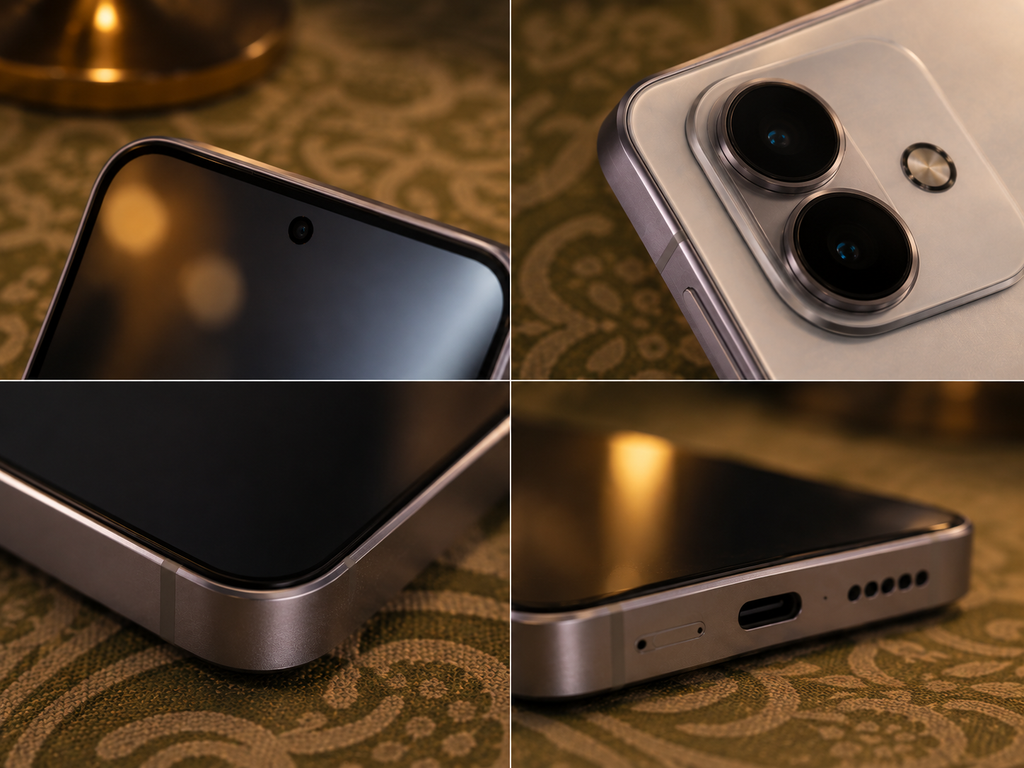
Real-world drops are unpredictable because surfaces, angles and points of impact can vary dramatically. A phone landing flat behaves very differently from one striking the corner of a concrete surface, which is why additional care is always sensible even when a device has stronger durability credentials.
What matters is that Xiaomi has clearly treated structural protection as an important part of the product rather than leaving durability entirely to an aftermarket case. For people who regularly carry their phone throughout commutes, workdays, events and nights out, that additional protection provides welcome reassurance.
Water protection adds another layer of reassurance
The REDMI Note 17 Pro 5G includes IP66, IP68, IP69 and IP69K protection as part of its resistance against dust and water. These ratings address different exposure conditions, including dust, freshwater immersion and higher-pressure water scenarios under controlled testing.
This level of protection becomes particularly relevant during normal daily use. Sudden rain, wet hands, drinks placed beside a phone, kitchen counters and accidental spills are situations that can happen without warning, and having additional resistance removes some of the anxiety associated with them.
Wet Touch Technology is also designed to help the display remain responsive when the screen or the user’s fingers are wet. Xiaomi additionally includes an Underwater Mode intended for supported freshwater situations, although the feature should still be used within the conditions specified for the device.
The important distinction is that water resistance does not remove the need for common sense. Seals can deteriorate with age, physical damage and repair, so intentional and unnecessary exposure should still be avoided.
The 6.83-inch AMOLED display is one of the strongest features
The REDMI Note 17 Pro 5G uses a 6.83-inch AMOLED display with a 2772 by 1280 resolution, giving users a large 1.5K viewing area for entertainment, communication and productivity. The panel supports refresh rates of up to 120Hz, 12-bit colour and high brightness for outdoor visibility.
The display makes a strong first impression because everything from text to photographs looks crisp. AMOLED technology gives video content excellent contrast, while the 120Hz refresh rate makes scrolling through social feeds, websites and the operating system feel fluid.

The size also becomes an advantage when using the phone for work. Email, documents, browser tabs and editing applications have enough room to feel comfortable, while video streaming and gaming naturally benefit from the larger canvas.
The flat panel is also a practical choice. It creates a consistent surface for typing, navigation and gaming while making screen protection easier to manage.
The 3,500-nit figure requires the right context
Xiaomi promotes screen brightness reaching up to 3,500 nits under supported conditions. The important detail is that this represents a peak brightness scenario rather than the level at which the entire panel operates constantly.
The practical advantage is straightforward. The phone is designed to remain visible in extremely bright environments, something that becomes particularly useful when reading messages, checking maps or taking photographs under direct sunlight.
The screen also supports high instantaneous touch sampling during supported gaming scenarios. That number is mainly relevant to moments when extremely quick touch detection becomes important, while the 120Hz refresh rate remains the specification users will notice more consistently throughout normal daily use.
The speakers complete the entertainment experience
The REDMI Note 17 Pro 5G comes with stereo speakers and Dolby Atmos support, giving the large display an audio system capable of handling casual entertainment comfortably. Dialogue remains clear during movies and videos, while podcasts are easy to hear without requiring headphones.
Music playback has enough volume for casual listening in a room, and the stereo separation makes video content more immersive when the device is held horizontally. There is also enough low-end presence to stop the speakers from sounding excessively thin.
The speakers will not replace dedicated audio equipment, but they perform well for the situations where users simply want to watch, listen or share something without reaching for another device.
Snapdragon 6s Gen 4 delivers practical everyday performance
The REDMI Note 17 Pro 5G is powered by Qualcomm’s Snapdragon 6s Gen 4, manufactured using a 4nm process and paired with an Adreno GPU. The chipset is designed to handle the wide range of tasks most users perform throughout the day, including messaging, browsing, video streaming, social media, navigation, banking and productivity.
During this kind of everyday use, the phone feels responsive and capable. Applications launch quickly enough, switching between ordinary tasks is generally smooth and the 120Hz display helps reinforce the sense of speed throughout the interface.
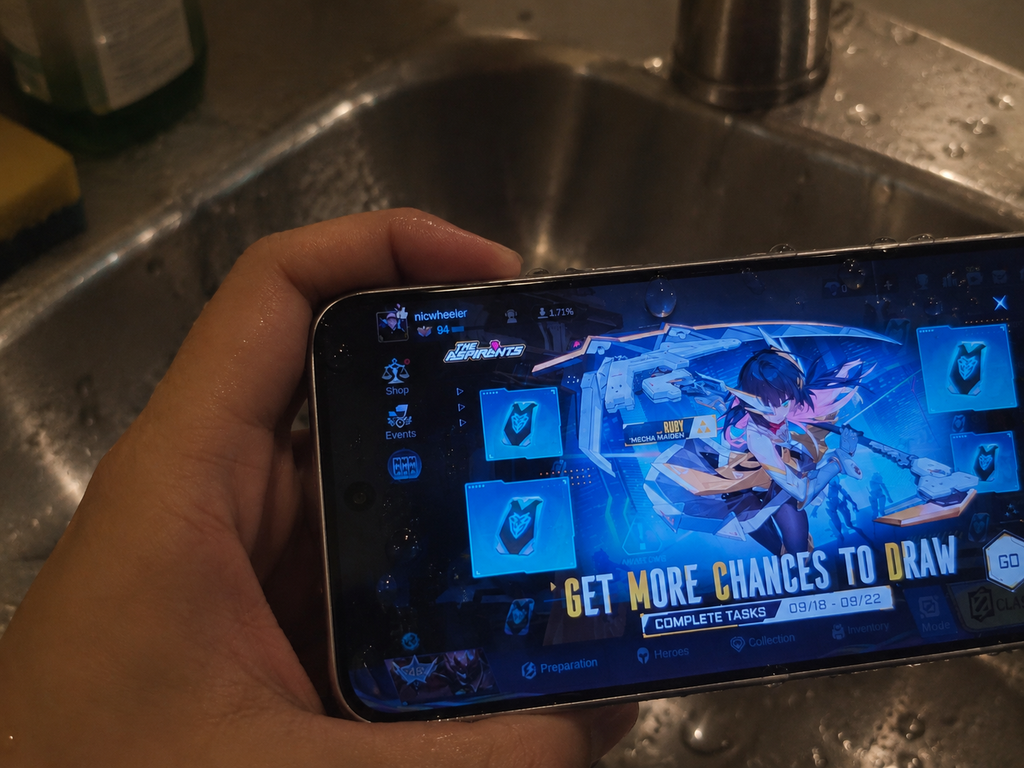
Gaming is possible and enjoyable when expectations are kept realistic. Mainstream mobile titles are well within the phone’s capabilities, while more graphically intensive games may require adjustments to graphics settings to maintain smoother performance.
The Pro name creates a natural expectation that performance will be one of the main attractions of the device, but this phone’s character is broader than raw processing power. Its strengths are more evenly distributed across battery life, display quality, durability, software and daily usability.
Memory and storage deserve closer attention
The REDMI Note 17 Pro 5G is available in several memory configurations, and buyers should pay attention to the storage technology as well as the capacity listed on the box. The 128GB configuration uses UFS 2.2 storage, while the 256GB configurations use faster UFS 3.1 storage.
Storage performance influences app loading, file transfers, installation speeds and the way the system handles larger amounts of data. Those differences may not be immediately obvious during basic messaging, but they become more relevant when working with games, large applications, videos and other files.
The phone uses LPDDR4X RAM, with configurations reaching 8GB locally for the reviewed model. Virtual memory options can extend available memory using storage, but physical RAM remains more important for applications that need to stay active in the background.
For longer-term ownership, the 8GB and 256GB configuration feels like the most sensible option because it gives HyperOS additional room for multitasking while providing enough storage for applications, photos, video and offline content.
The 50MP main camera covers the essentials well
The REDMI Note 17 Pro 5G uses a 50MP main camera with optical image stabilization together with an 8MP ultrawide camera. The front camera provides 16MP resolution for selfies, video calls and social content.
The 50MP main camera is the strongest part of the system. In good lighting, it can produce detailed photographs with lively colour and enough dynamic range to handle normal outdoor situations. Optical image stabilization becomes useful when lighting is less ideal or when the phone cannot be held perfectly steady.
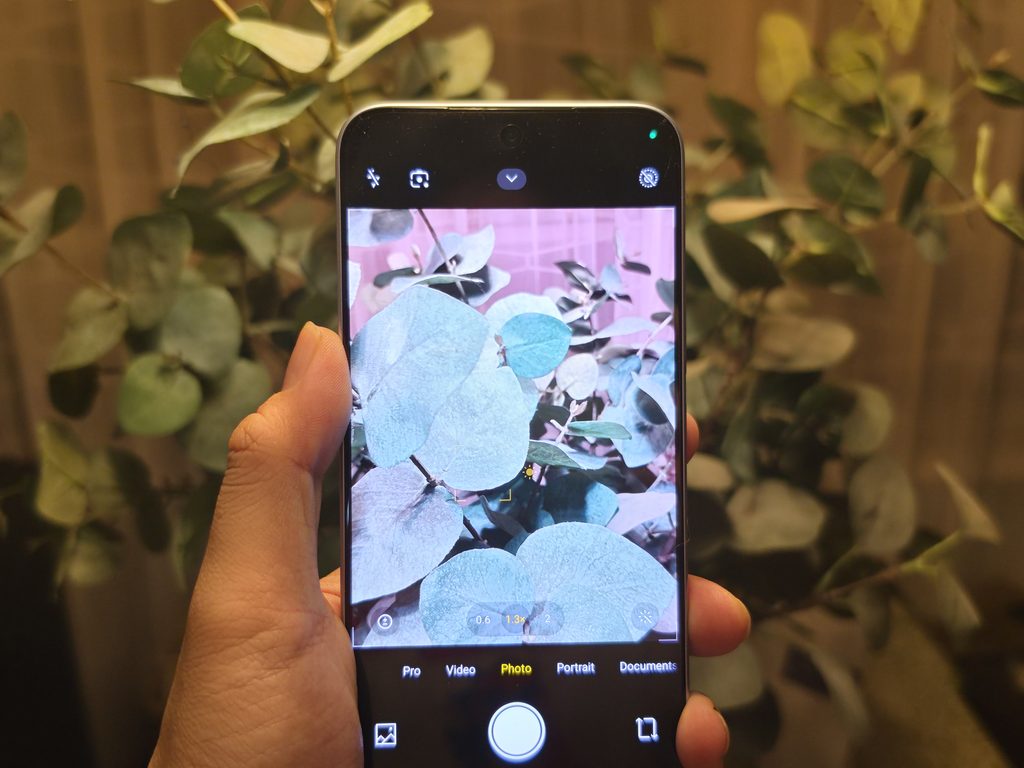
The camera is particularly comfortable with everyday subjects. Food, pets, friends, architecture, street scenes and travel photographs all fall within the type of photography most users will be doing regularly.
The 8MP ultrawide camera adds flexibility when the main camera cannot fit everything into the frame. It becomes useful for interiors, architecture, group photographs and landscapes, although careful lighting still produces the strongest results.
Digital zoom is available when a subject is farther away, but expectations should remain realistic because there is no dedicated telephoto camera. As magnification increases, fine detail naturally begins to soften.
Low-light photography requires a little more patience
The main camera remains usable after dark, particularly when Night mode is allowed enough time to process the scene. Bright city lights, restaurant interiors and street environments can still produce attractive images when the phone is held relatively steady.
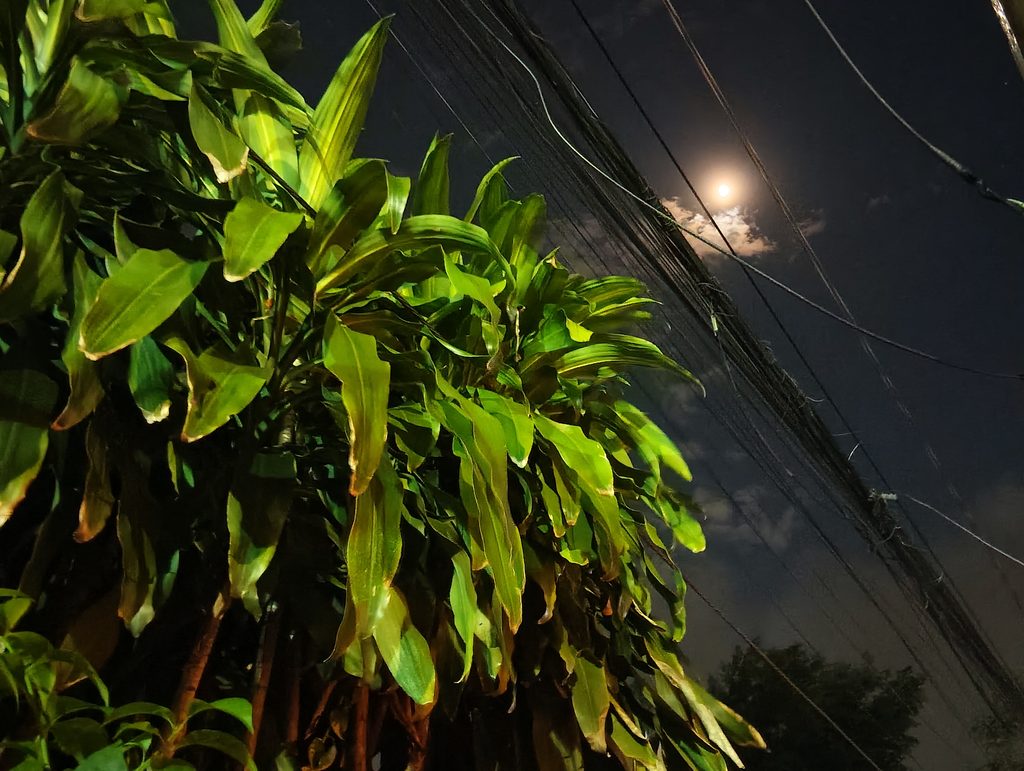
As available light decreases, fine textures become softer and image processing becomes more important. Strong light sources can also create more difficult situations for highlights and shadows, so composition matters more at night.

Video recording is the area that needs the most scrutiny
The REDMI Note 17 Pro 5G records video at up to 1080p at 30 frames per second. That is perfectly usable for social media, Stories, Reels, short videos and everyday documentation, but the specification still deserves criticism on a phone carrying Pro branding.
The biggest limitation is flexibility during editing. Higher-resolution source footage gives creators additional room to crop or reframe a video without reducing final image quality as quickly, while higher frame rates can provide smoother results when recording more movement.
For casual recording, 1080p is still practical and widely supported across social platforms. People who intend to use the smartphone heavily for more demanding video production, however, should understand the recording limitations before deciding.
HyperOS 3 is central to how the phone feels every day
The REDMI Note 17 Pro 5G runs Xiaomi HyperOS 3, and the operating system plays a major role in defining the overall experience. Hardware specifications determine what a device can theoretically do, but the operating system determines how those capabilities feel during every interaction.
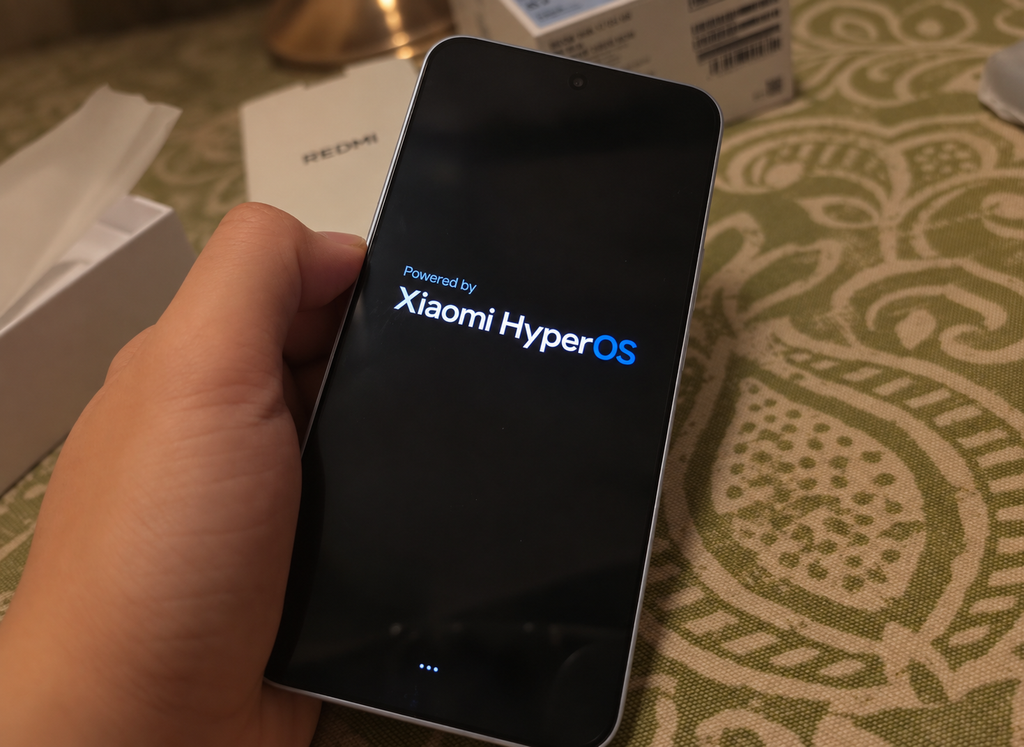
HyperOS 3 has a visually polished interface with smooth animations, extensive personalization options and deeper integration of artificial intelligence features. Combined with the 120Hz AMOLED display, moving around the interface feels fluid during ordinary use.
The basic layout remains recognizably Xiaomi, so anyone familiar with recent Xiaomi devices should feel at home quickly. At the same time, the operating system has enough visual refinement that first-time users should not have difficulty understanding its structure after a short adjustment period.
Personalization is one of HyperOS 3’s strongest areas
HyperOS 3 gives users considerable control over the visual appearance of the phone. Lock screens, wallpapers, themes, icons and Always-On Display options can all be adjusted, allowing the device to feel much more personal after setup.
That flexibility matters because smartphones have become extensions of individual style. Wallpapers, widgets, cases and home screen layouts are increasingly treated as part of how people express themselves rather than simply being functional interface choices.
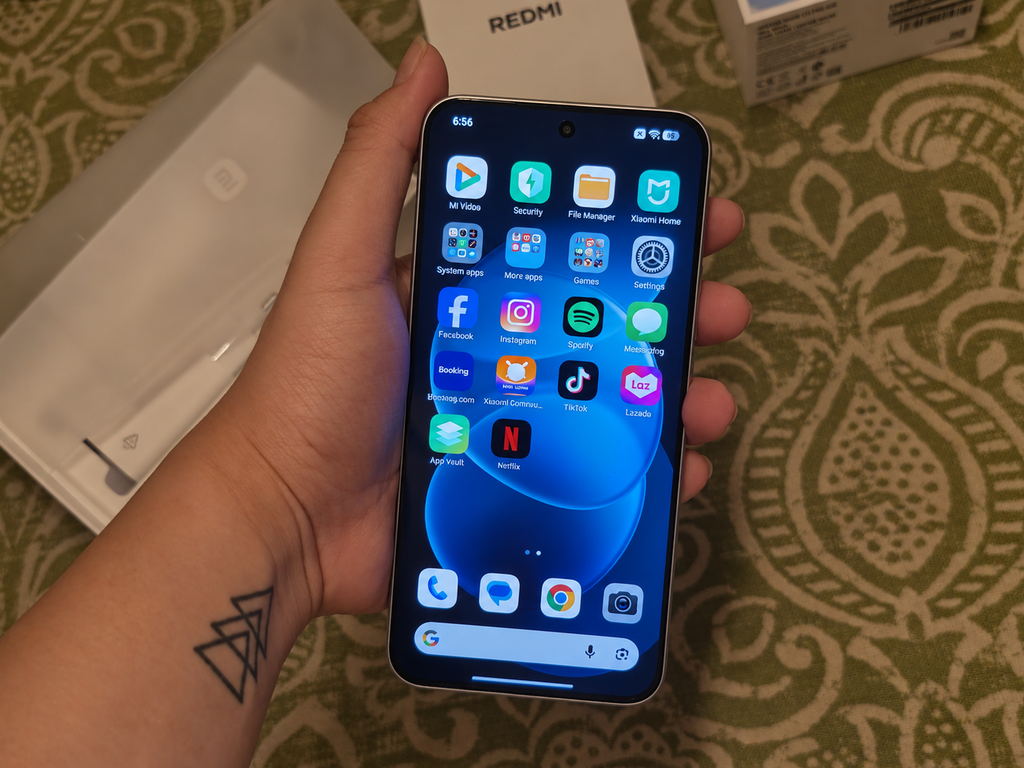
The operating system allows enough freedom that two owners of the same REDMI Note 17 Pro 5G could create completely different-looking home screens and lock screens.
HyperIsland adds more visual information around the front camera
HyperOS 3 includes Xiaomi HyperIsland, which uses the area surrounding the front camera to surface supported ongoing activities and other information.
The feature can display selected live information without requiring users to fully open an application, giving the interface another layer of visual interaction.
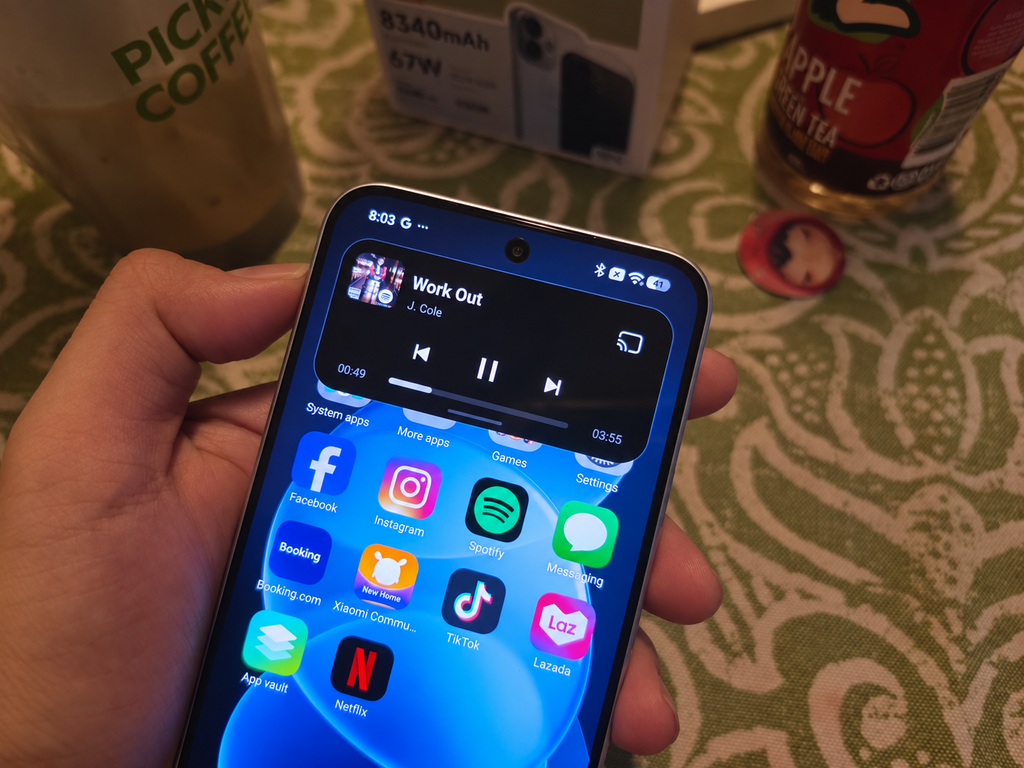
Its overall usefulness depends heavily on the applications and activities that support it, but the idea works well within the operating system because it turns otherwise unused screen space around the camera area into something functional.
Multitasking works particularly well on the large display
The 6.83-inch screen gives HyperOS enough room to make split-screen multitasking and floating windows genuinely useful rather than simply technical features hidden in the settings.
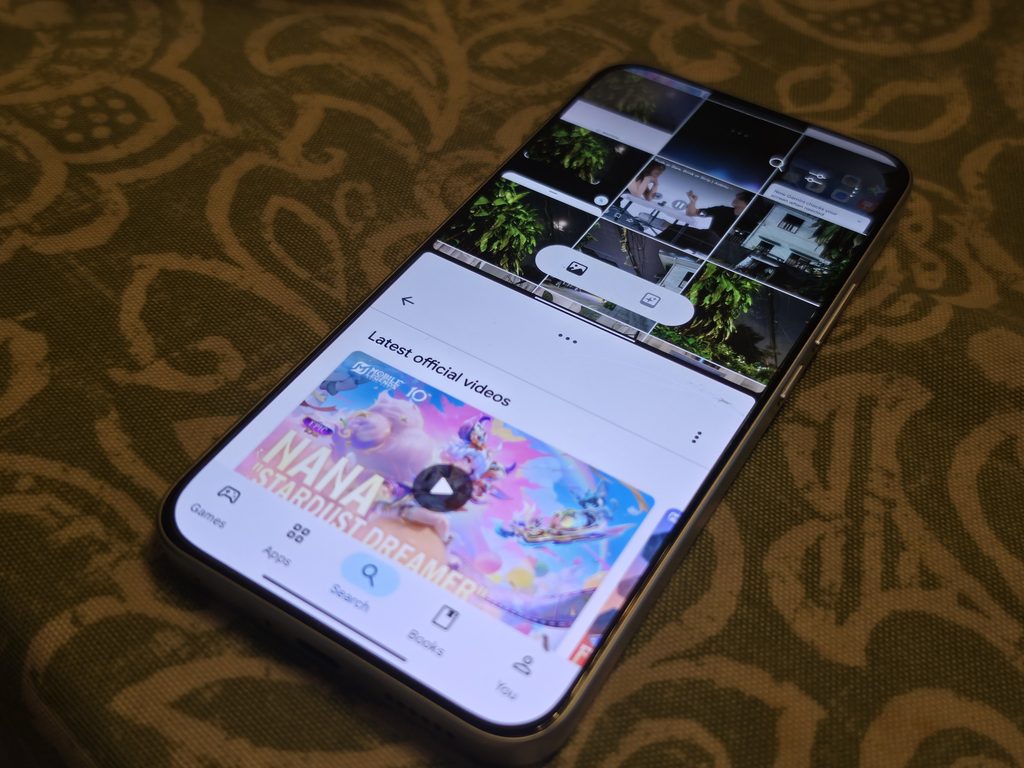
A user can reference a web page while writing a message, keep a chat window open while doing something else or continue watching video while interacting with another compatible application.
Floating windows can also be moved around the screen so they remain available without completely covering the primary application.
These features become especially useful on the 8GB RAM configuration because additional memory gives the operating system more room to keep applications active.
Google Gemini and Circle to Search bring AI into ordinary tasks
Google Gemini is integrated into the software experience, giving users access to conversational assistance for writing, research, summarization, brainstorming and general questions.
Circle to Search is arguably the more immediately useful feature because it allows users to search for information based on something already visible on the screen.
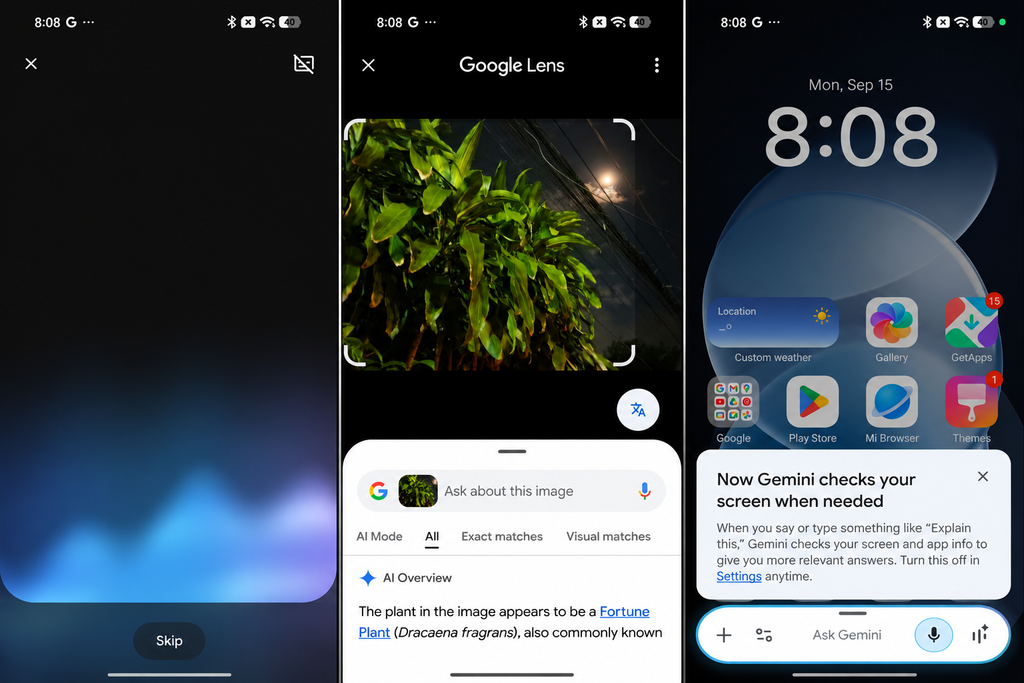
A product, restaurant, landmark, outfit or object can be selected directly without manually leaving the current application to describe it elsewhere.
That is the kind of AI experience that makes sense because it reduces steps instead of creating another application people need to remember to open.
The strongest artificial intelligence tools are often the ones that become almost invisible during use, and Circle to Search is a good example of that philosophy.
Xiaomi’s own AI tools are useful for photo editing
HyperOS 3 also includes Xiaomi’s own collection of AI-powered photo tools, including AI Erase Pro, AI Glare Removal, AI Image Expansion and AI Image Enhancement.
AI Erase Pro can help remove distracting objects from a photograph before posting, while Glare Removal is designed to reduce unwanted reflections. Image Expansion can extend the frame when the original photograph does not fit the desired social media format, while enhancement tools can refine existing images with minimal manual editing.
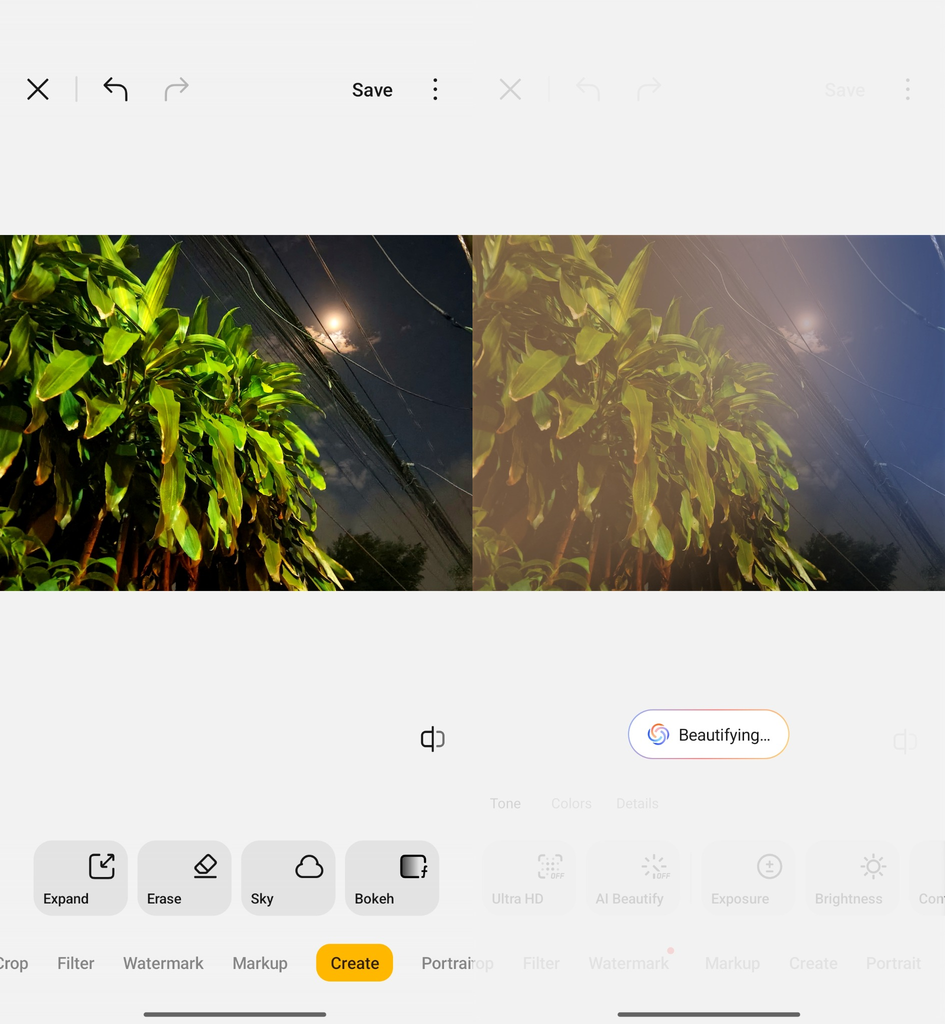
These features are particularly useful because they allow a significant amount of editing to happen directly on the smartphone. A photo can be captured, cleaned up, reframed and prepared for social media without requiring another device.
HyperOS 3 still arrives with software that some users may not need
One area where the software experience could be cleaner is the presence of additional pre-installed applications. Depending on the software build, some users may find games, social platforms or entertainment applications already available after initial setup.
Many of these can be removed, so they are not permanent additions. The criticism is simply that a cleaner first boot would make the phone feel more personal from the moment it is activated.
The rest of HyperOS 3 looks polished enough that unnecessary applications stand out more clearly than they otherwise would.
A few minutes of cleanup solves the issue, but ideally it should not be necessary.
Day-to-day software performance is generally smooth
HyperOS 3 works comfortably with the Snapdragon 6s Gen 4 during normal use. Navigation is responsive, application switching generally feels quick and the 120Hz display gives animations an additional sense of fluidity.
More demanding combinations of multitasking, gaming and camera processing can occasionally expose the limits of the hardware, but the phone remains perfectly usable throughout ordinary daily workloads.
The important distinction is consistency. The device feels smooth enough during most interactions, although users expecting completely effortless performance while pushing several intensive applications simultaneously should keep the underlying hardware in mind.
The 8GB RAM configuration again makes the stronger case because the additional memory provides more room for the operating system to manage active applications.
The 8,340mAh battery defines the entire experience
The REDMI Note 17 Pro 5G carries an enormous 8,340mAh silicon-carbon battery, and that single specification influences almost every aspect of the way the phone can be used.
Battery capacity this large allows users to approach a normal day with considerably less anxiety about finding a charger. Mobile data, social networking, music streaming, GPS navigation, photography and messaging can all happen without constantly watching the percentage indicator.
Actual battery endurance naturally changes depending on usage. Gaming, high screen brightness, camera activity, navigation, poor cellular signal and background applications can all increase consumption.
What matters is the amount of capacity available from the beginning. There is significantly more room for heavy use before charging becomes urgent.
For lighter daily use, the phone has the potential to stretch well beyond a single day. For more intensive users, the larger battery still provides the confidence that a long day should be much easier to complete.
67W HyperCharge keeps the large battery manageable
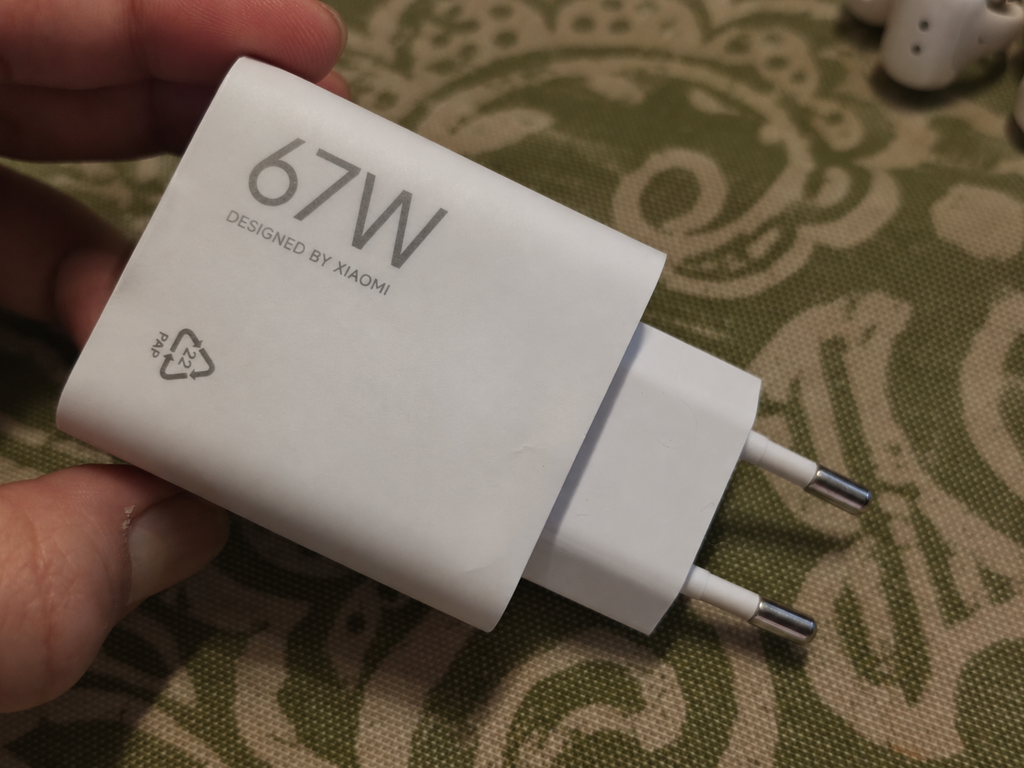
The REDMI Note 17 Pro 5G supports 67W HyperCharge, with the compatible adapter included in the Philippine package.
Charging a battery this large naturally takes time, but the 67W system keeps the process practical. A short top-up can provide a useful amount of additional battery without requiring the phone to remain connected for an entire afternoon.
The device also supports wired reverse charging, which allows some of its large battery capacity to be shared with another compatible device.
Wireless earbuds, accessories or another smartphone can receive power directly from the Note 17 Pro 5G when necessary.
With 8,340mAh available, reverse charging feels genuinely useful because sharing a small amount of energy does not immediately create the same battery anxiety on the host device.
REDMI Note 17 Series price in the Philippines
The REDMI Note 17 Series covers a broad selection of configurations in the Philippines, giving buyers several options depending on their preferred storage, memory and overall budget.
The REDMI Note 17 Pro Max 5G sits at the top of the lineup. Its 16GB RAM and 512GB storage configuration carries an SRP of ₱34,999 and an Early Bird price of ₱32,999. The 12GB and 256GB Shopee-exclusive configuration has an SRP of ₱32,999 and an Early Bird price of ₱30,999, while the 8GB and 256GB version is priced at ₱30,999 and drops to ₱28,999 during the promotional period.
The REDMI Note 17 Pro 5G starts with the 6GB RAM and 128GB storage configuration at ₱22,999, with an Early Bird price of ₱20,999. The 6GB and 256GB configuration carries an SRP of ₱24,999 and an Early Bird price of ₱22,999, while the 8GB and 256GB version is priced at ₱25,999 and drops to ₱23,999 during the promotion.
Within the REDMI Note 17 Pro 5G configurations, the 8GB and 256GB option is the version that makes the strongest practical argument. During the Early Bird period, it costs only ₱1,000 more than the 6GB and 256GB configuration while providing additional physical RAM for multitasking and longer-term software use.
The REDMI Note 17 5G is available at ₱16,999 for the 6GB and 128GB configuration, with an Early Bird price of ₱15,999. The 6GB and 256GB version has an SRP of ₱18,999 and promotional pricing of ₱17,999, while the 8GB and 256GB model is officially priced at ₱19,999 and drops to ₱18,999 during the Early Bird promotion.
The REDMI Note 17 begins at ₱14,999 for the 4GB and 128GB configuration, with an Early Bird price of ₱13,999. The Shopee-exclusive 6GB and 128GB variant has an SRP of ₱15,999 and promotional pricing of ₱14,999, while the 6GB and 256GB version is priced at ₱17,999 and drops to ₱16,999 during the promotion.
The Early Bird promotional period runs from September 15 until October 1, 2026. Buyers considering the REDMI Note 17 Pro 5G should pay particular attention to the 8GB and 256GB version at ₱23,999 during this period because the additional RAM and faster storage configuration complement the phone’s focus on longer-term use.
Our critique of the REDMI Note 17 Pro 5G
The REDMI Note 17 Pro 5G has a clear identity. Its strongest characteristics are not hidden behind benchmark scores or complicated technical language because they become apparent during normal daily use.
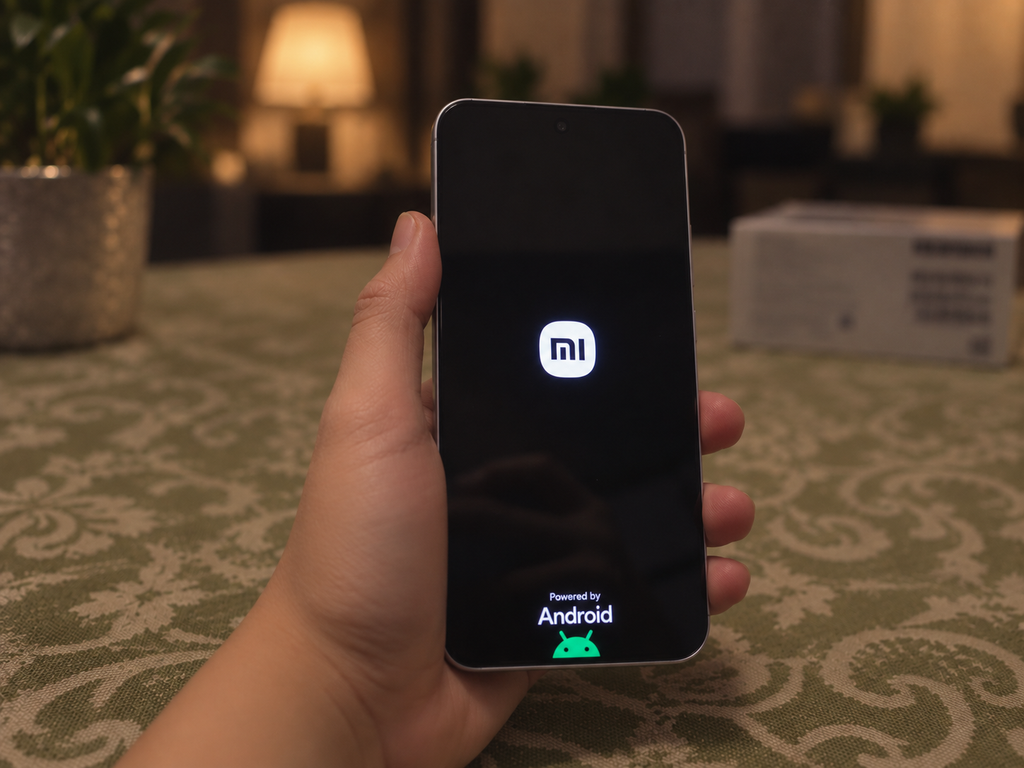
The 8,340mAh battery is excellent for people who spend long periods away from a charger. The 6.83-inch AMOLED screen provides a large, sharp and fluid space for media and work, while the durability features give users additional confidence when carrying the device throughout a busy day.
HyperOS 3 also contributes significantly to the experience. Customization is extensive, multitasking makes good use of the screen, AI editing tools have practical applications and Google Gemini and Circle to Search fit naturally into modern Android use.
There are still areas that deserve criticism. The Snapdragon 6s Gen 4 delivers practical performance but does not make raw processing power the defining feature of the device. The 128GB configuration’s UFS 2.2 storage is another reason we would lean toward the 256GB variants.
The camera is capable of handling everyday photography well, but the lack of a dedicated telephoto lens limits zoom flexibility. The 8MP ultrawide is more useful in brighter conditions, while low-light photography requires more patience.
The 1080p at 30fps video limit is the specification we would question most strongly. It is completely usable for everyday social media content, but the Pro branding naturally creates an expectation of greater recording flexibility.
HyperOS 3 is polished and customizable, but the presence of unnecessary pre-installed applications still takes some shine away from the initial setup process.
None of those weaknesses remove the phone’s strongest qualities. The REDMI Note 17 Pro 5G feels like a device designed around being used heavily rather than simply admired on a specification sheet.
Its battery gives users freedom to use the phone without constantly planning the next charge. The physical protection reduces some of the anxiety associated with accidental drops and water exposure. The display is enjoyable enough for long sessions of entertainment, social media and work, while the software offers enough customization and AI functionality to keep the experience feeling current.
The REDMI Note 17 Pro 5G may therefore appeal most strongly to people who value endurance and practicality. It is a phone designed to remain available throughout a long day, whether that day involves work, commuting, photography, social media, entertainment, navigation or all of them at once.
The strongest thing about the phone is not any single specification. It is the way its battery, display, durability and software work together to create a device that feels prepared for heavy everyday use.